BLACK FRIDAY IS HERE! ✦ 20% OFF EVERYTHING · Shop the Sale →
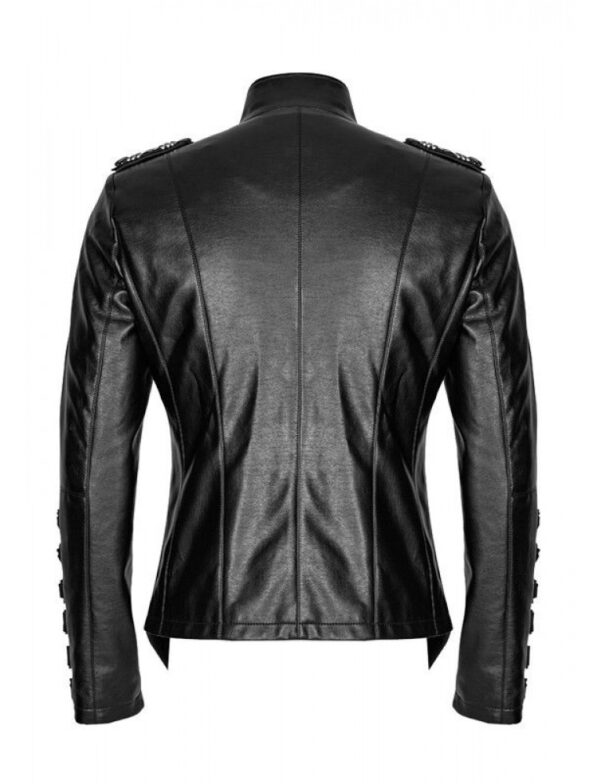
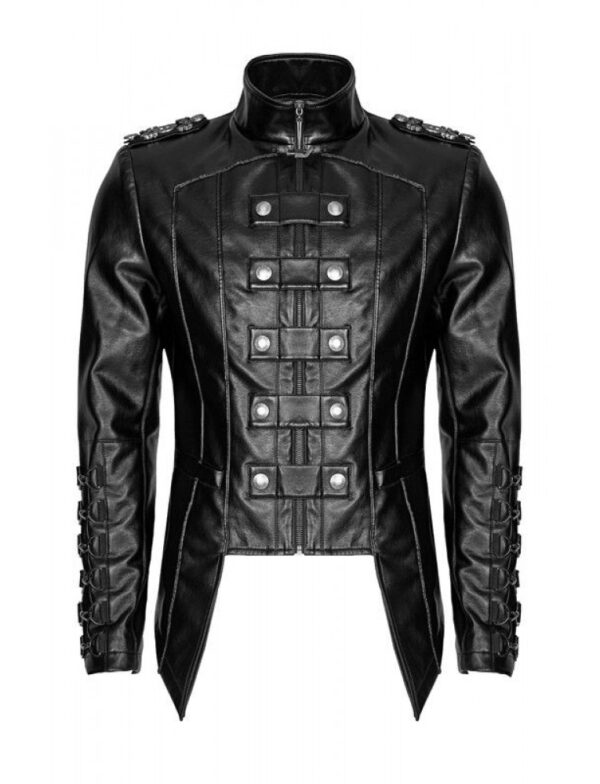
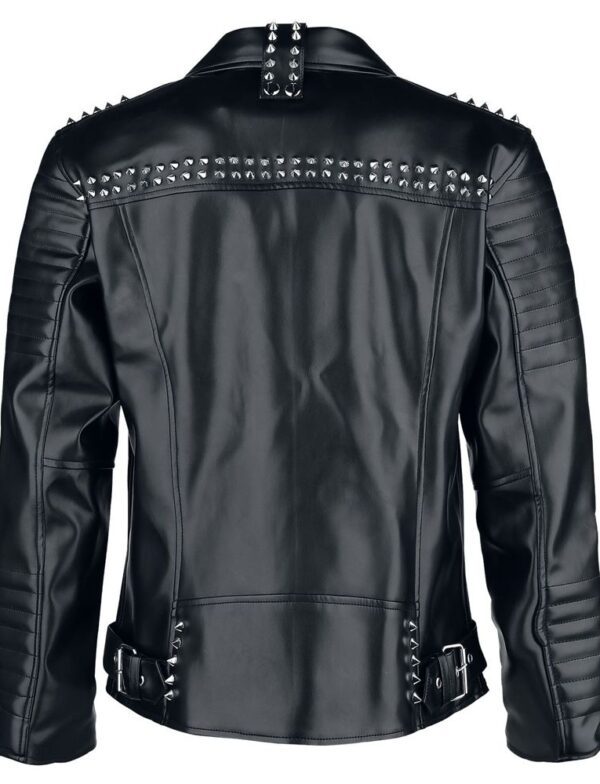
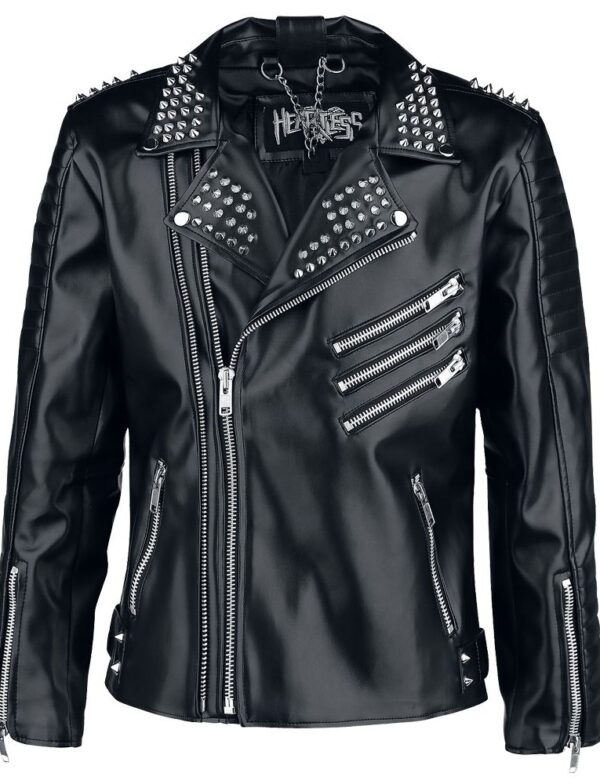
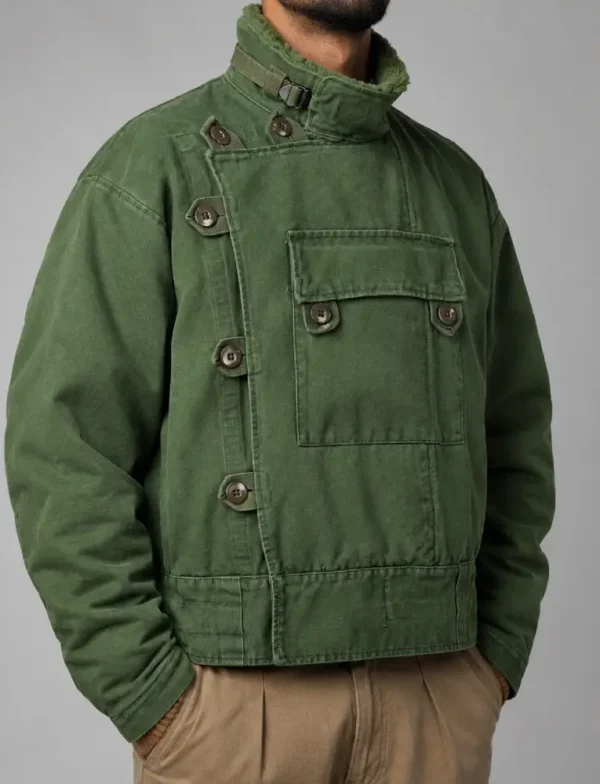
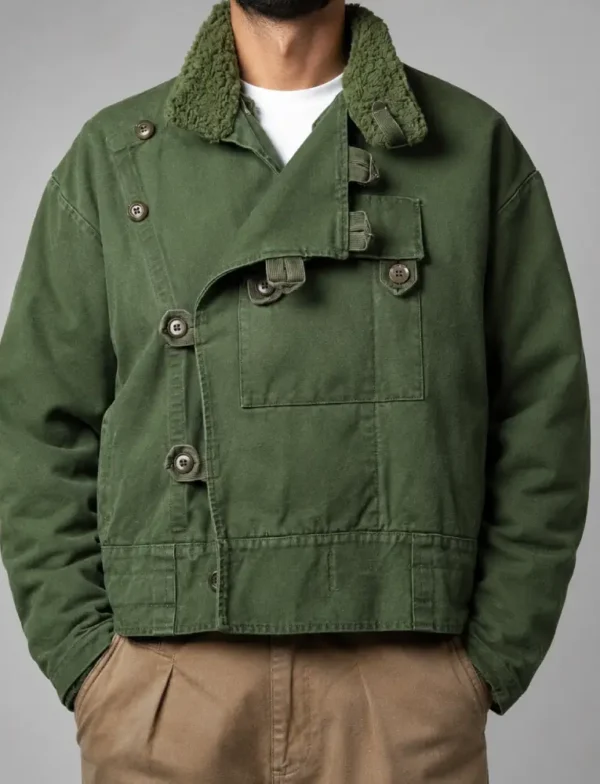
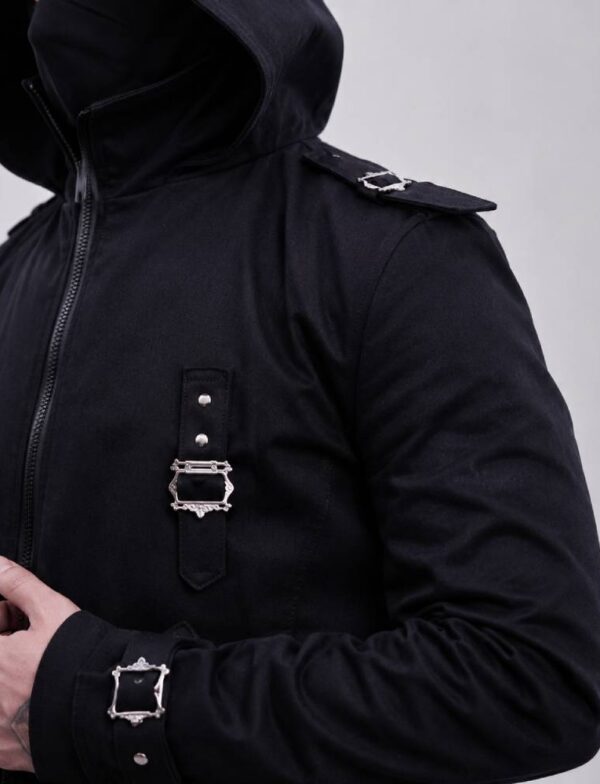
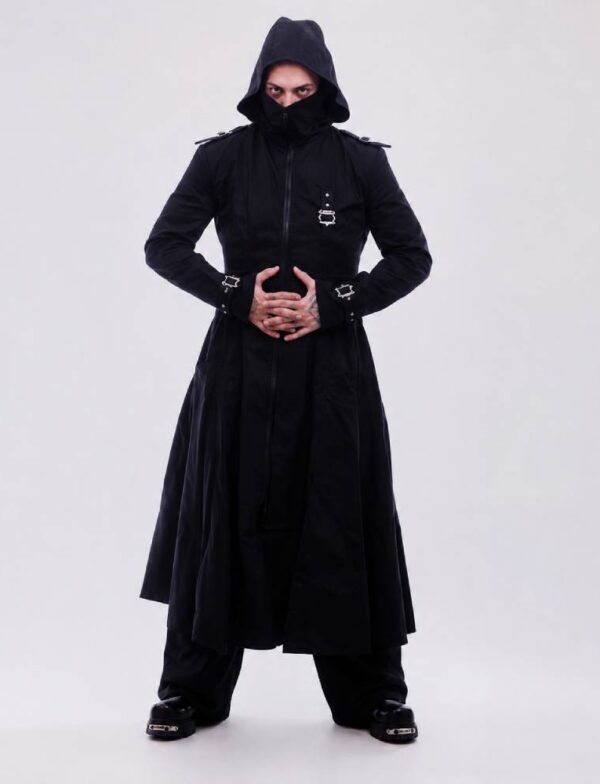
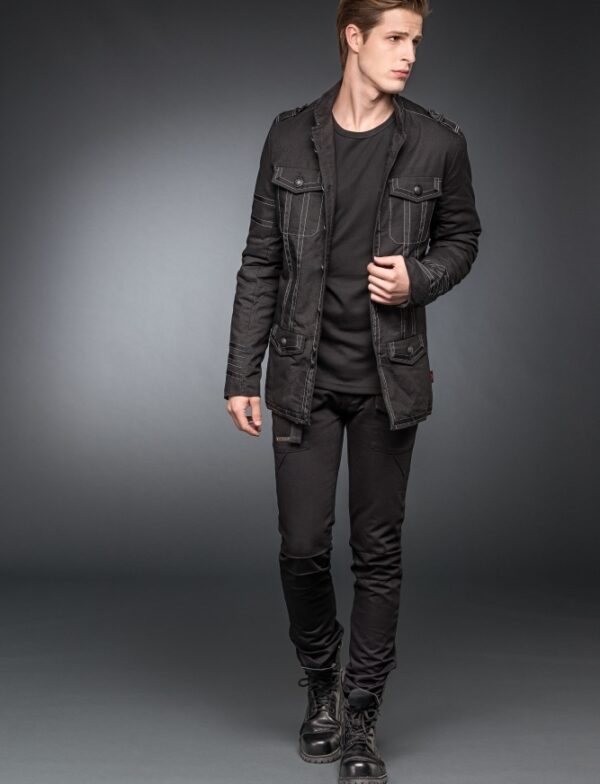
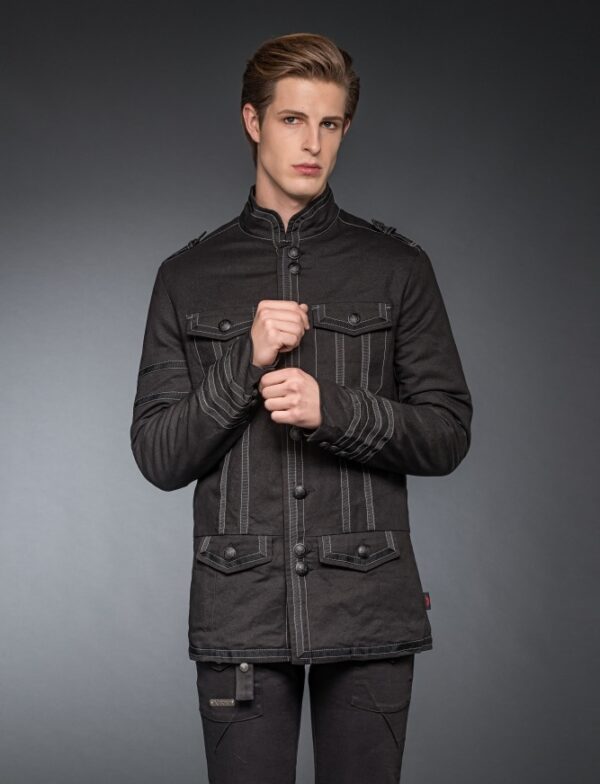
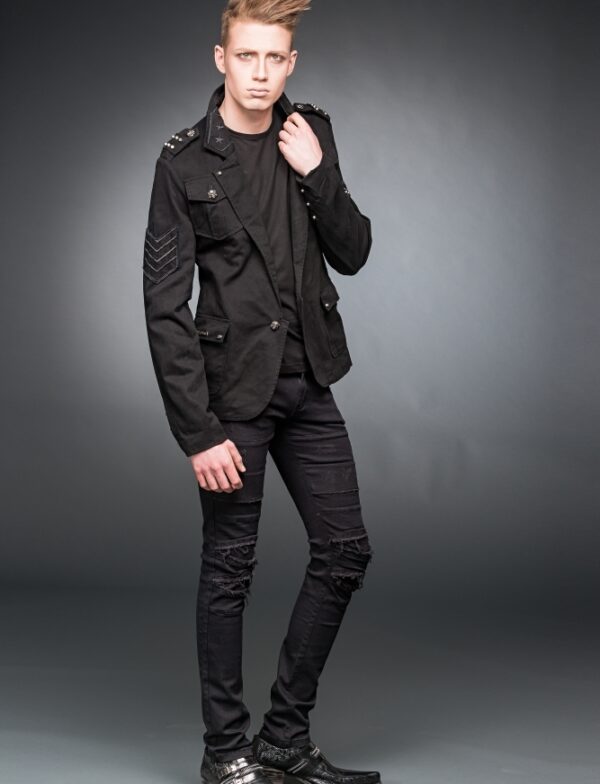
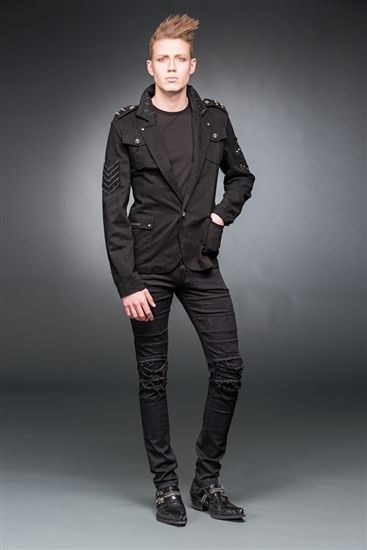
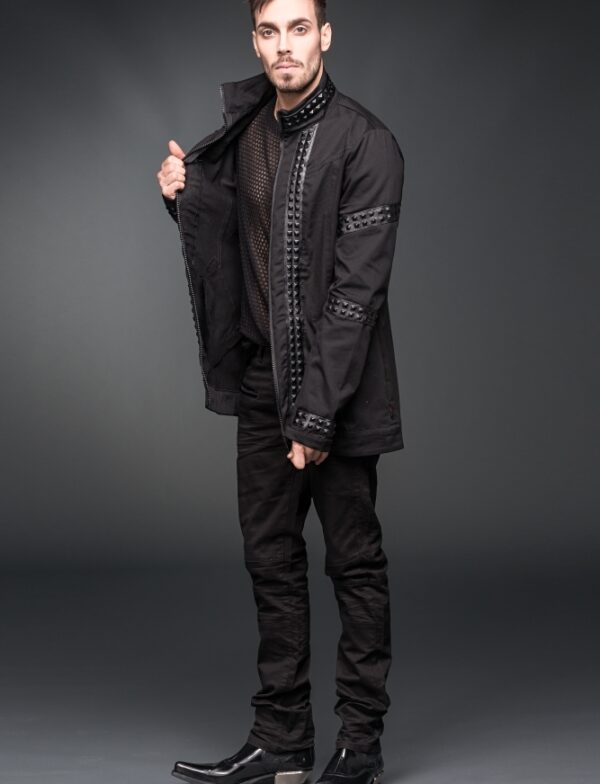
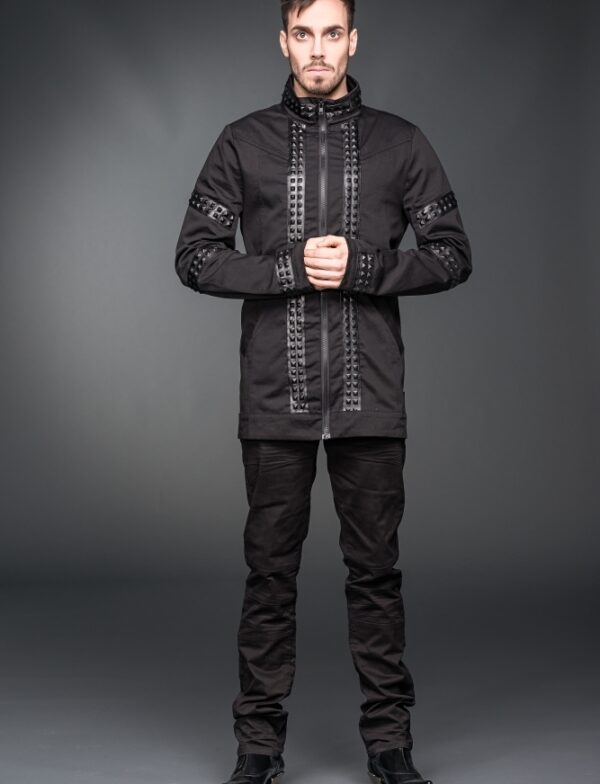
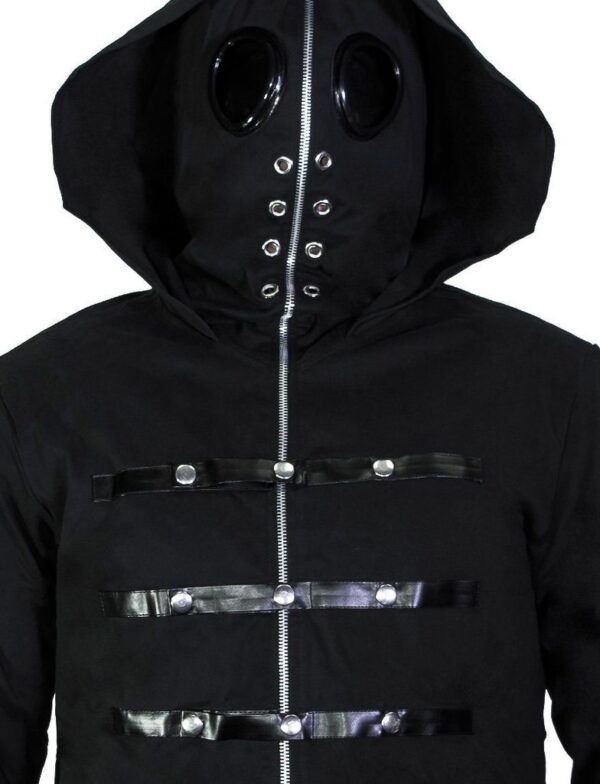
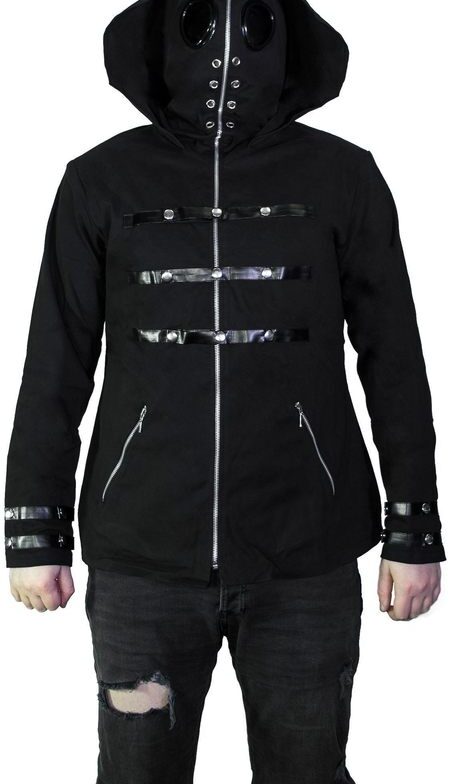
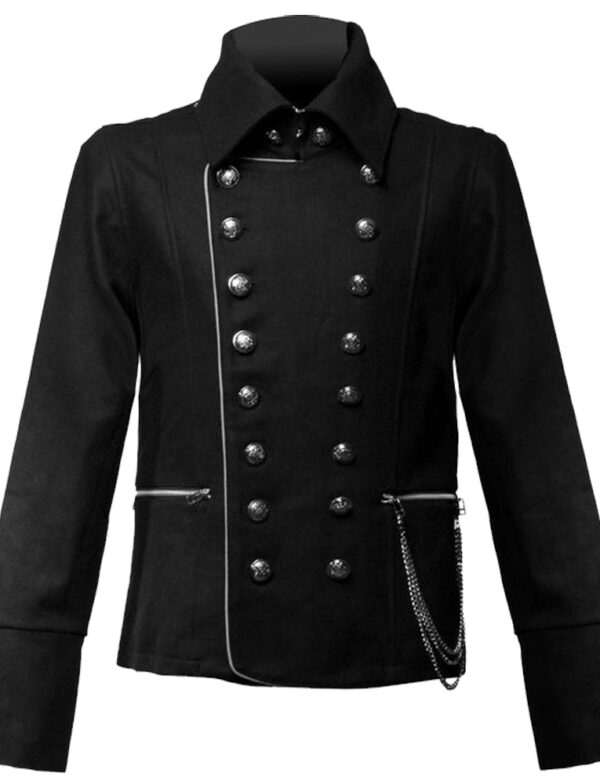
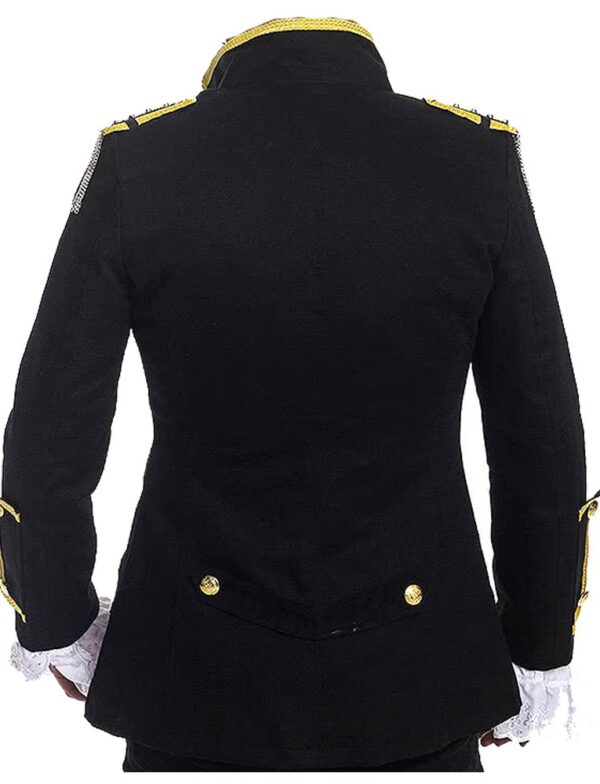
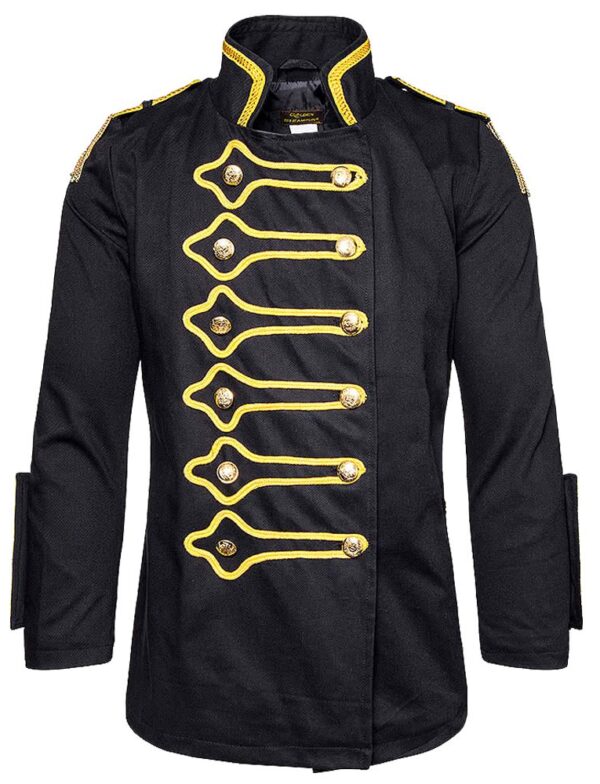
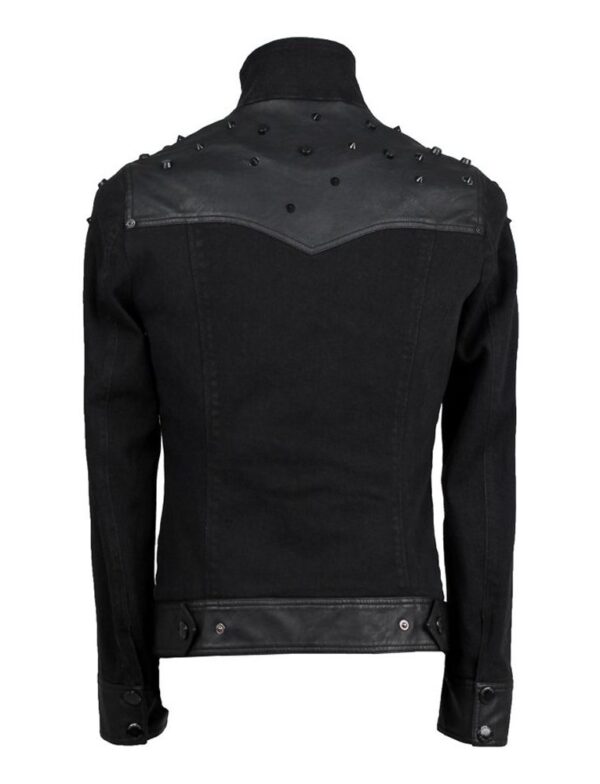
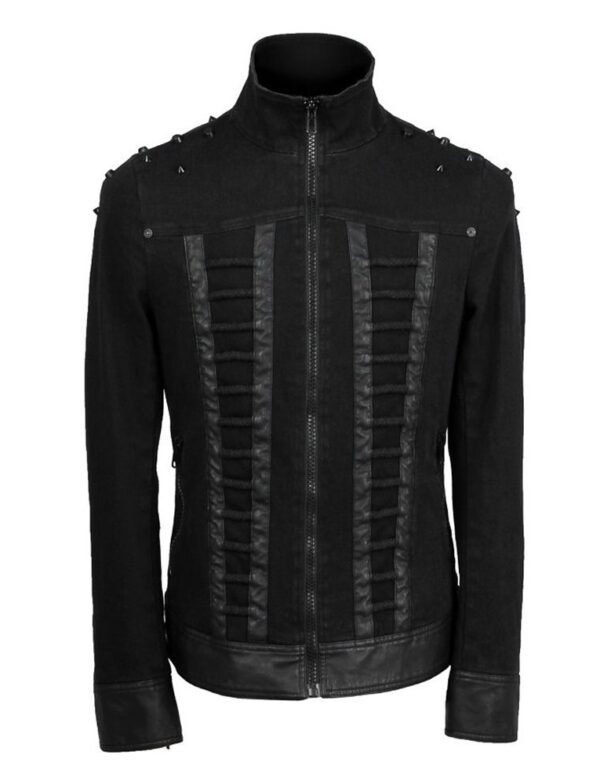
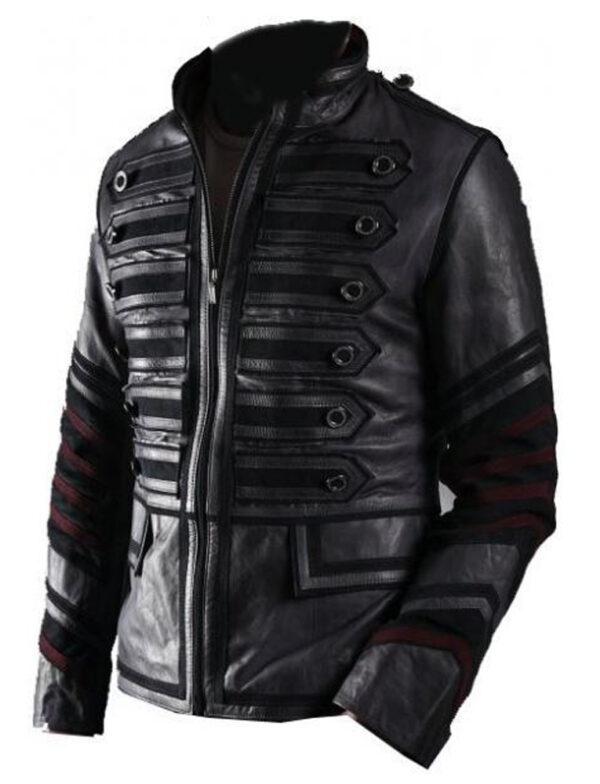
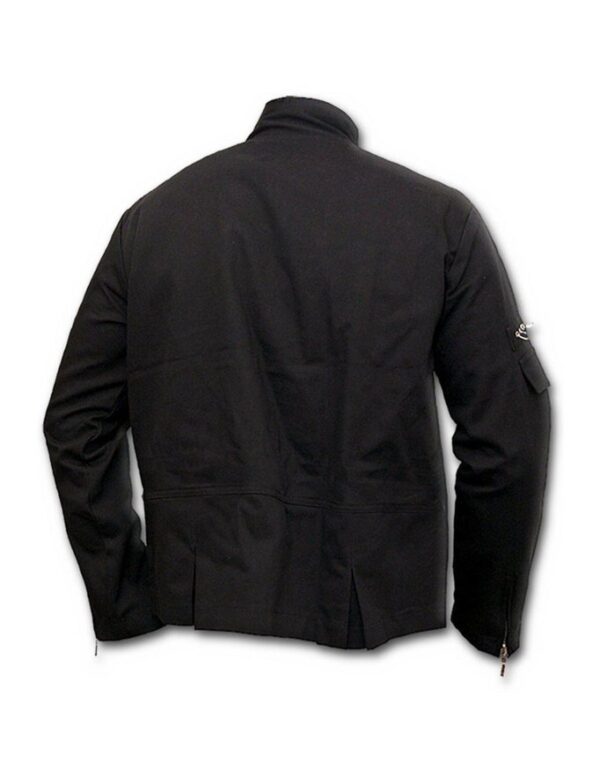
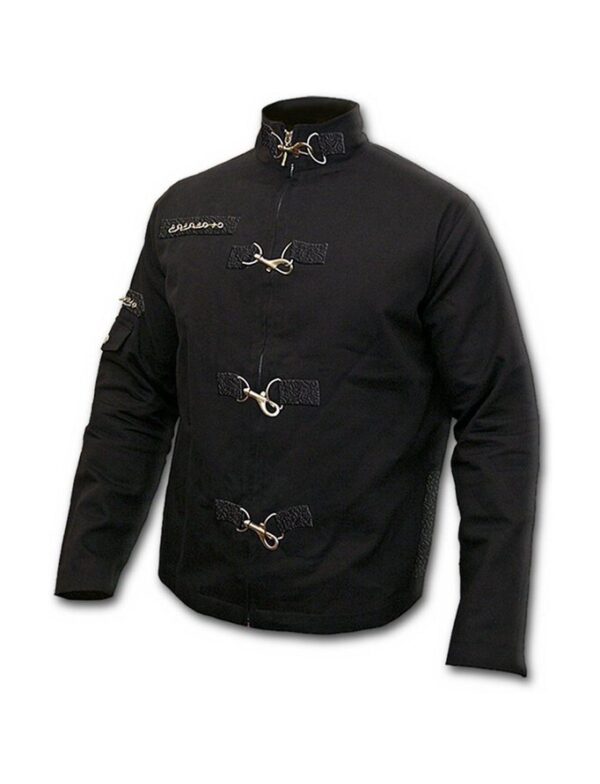
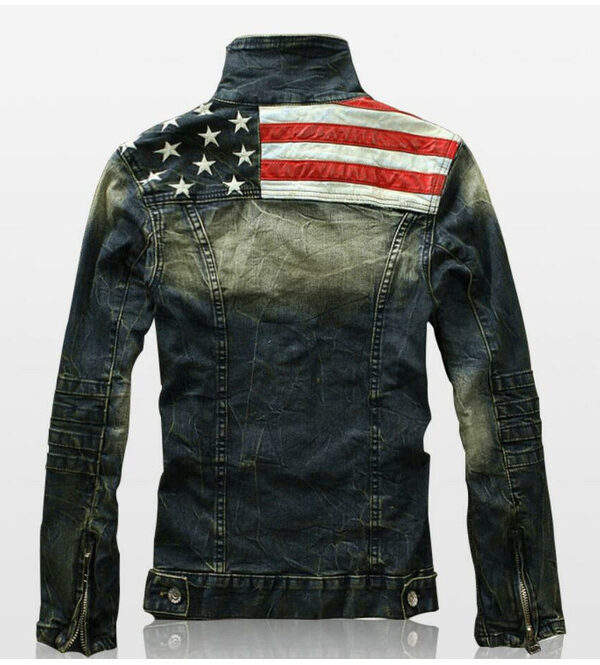
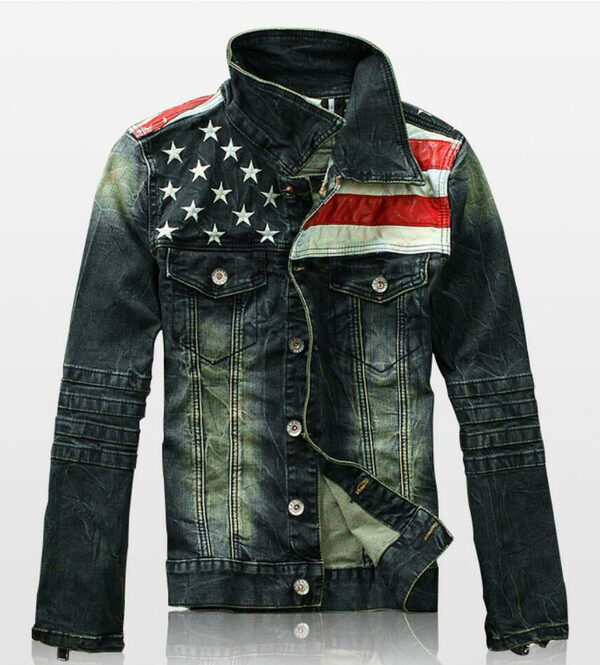
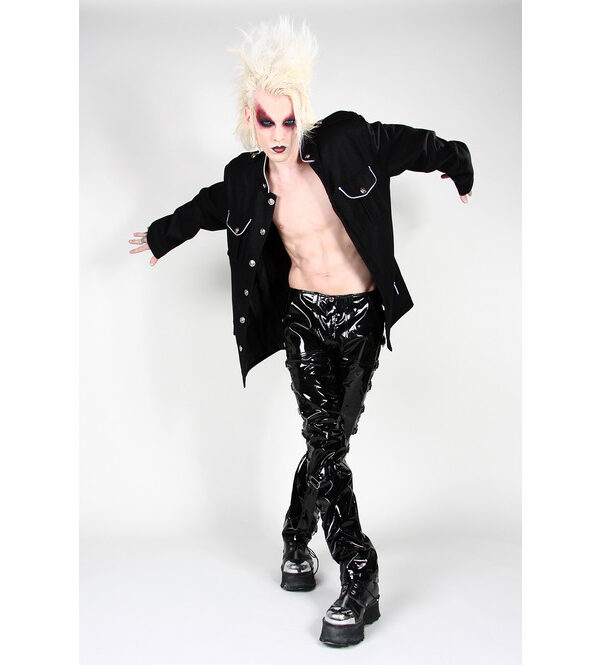
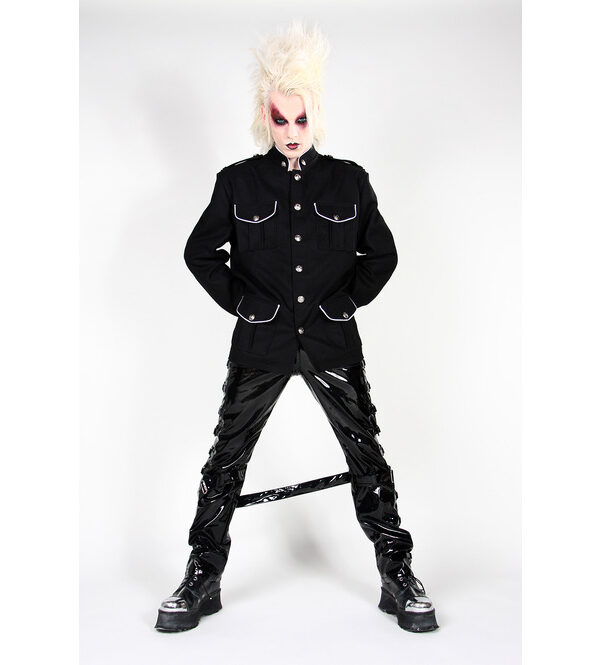
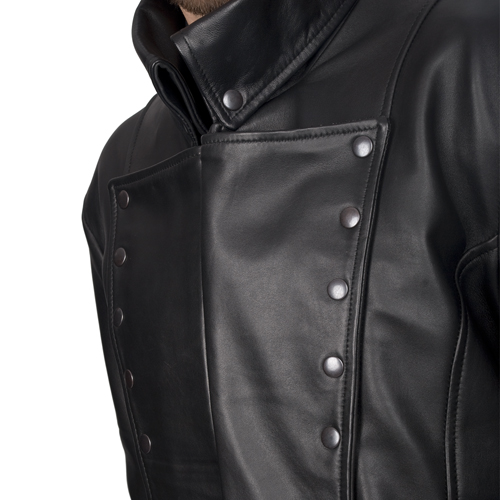
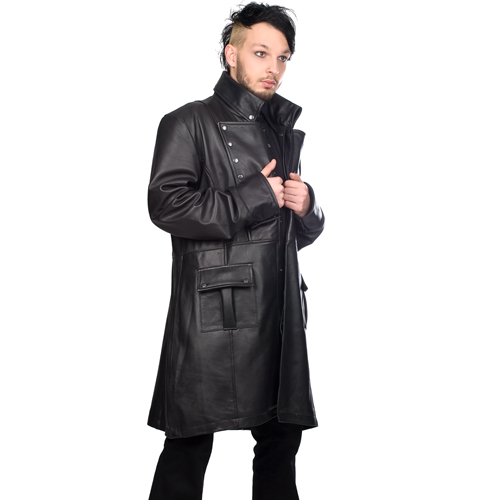
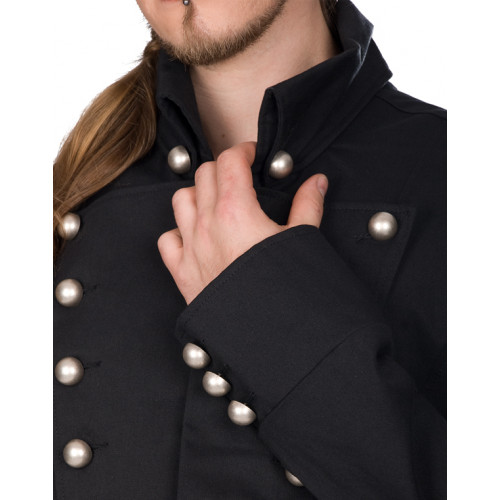
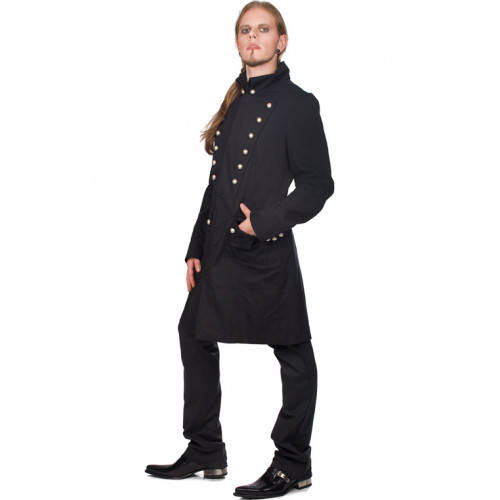
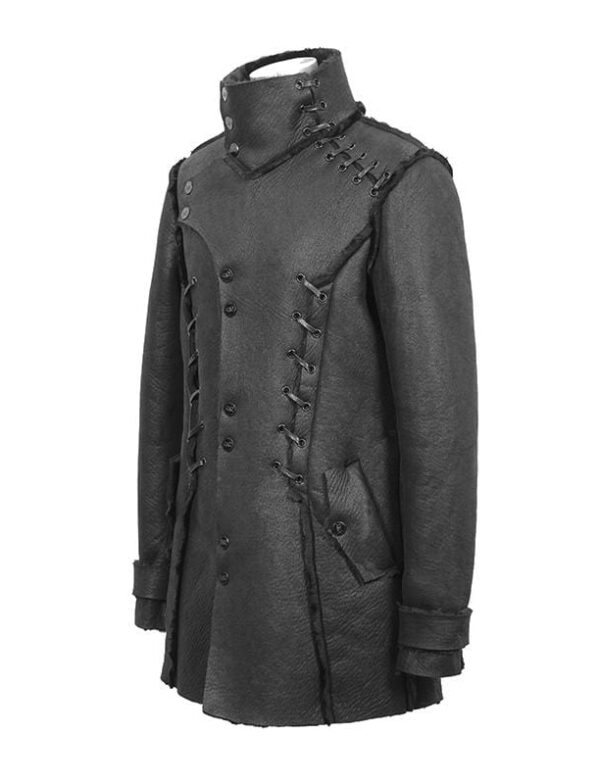
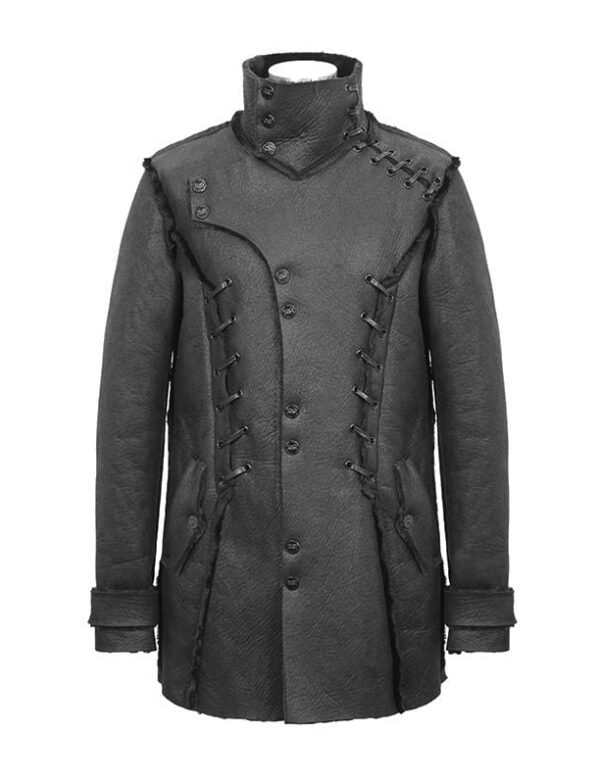
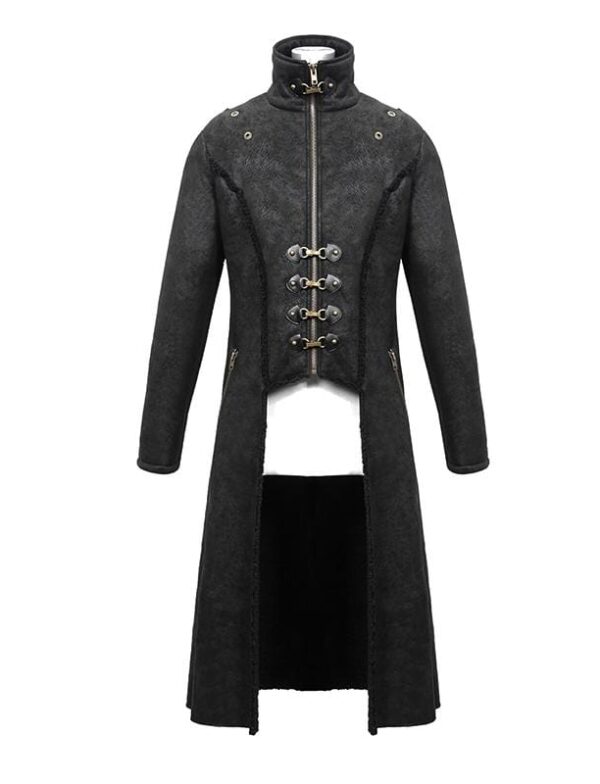
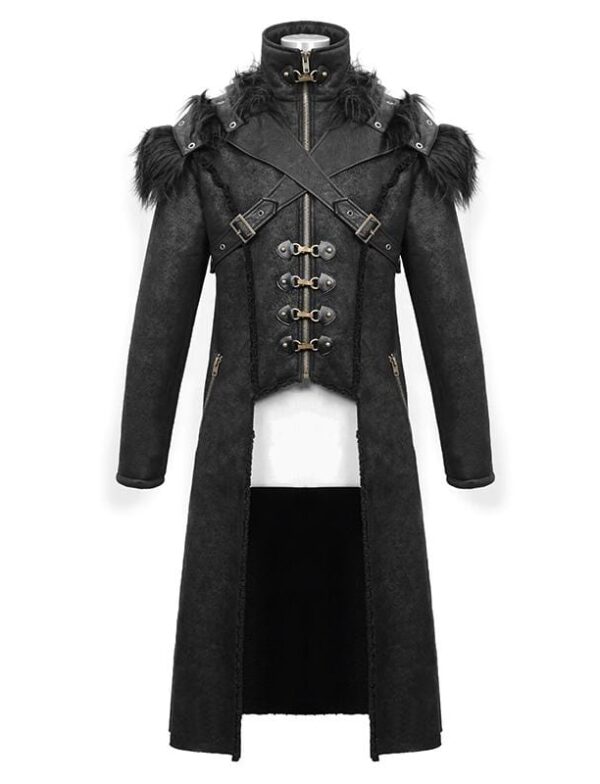
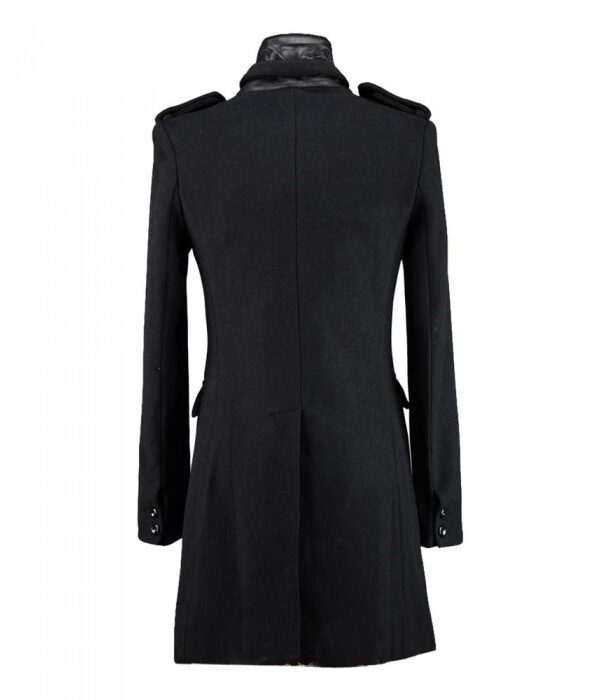
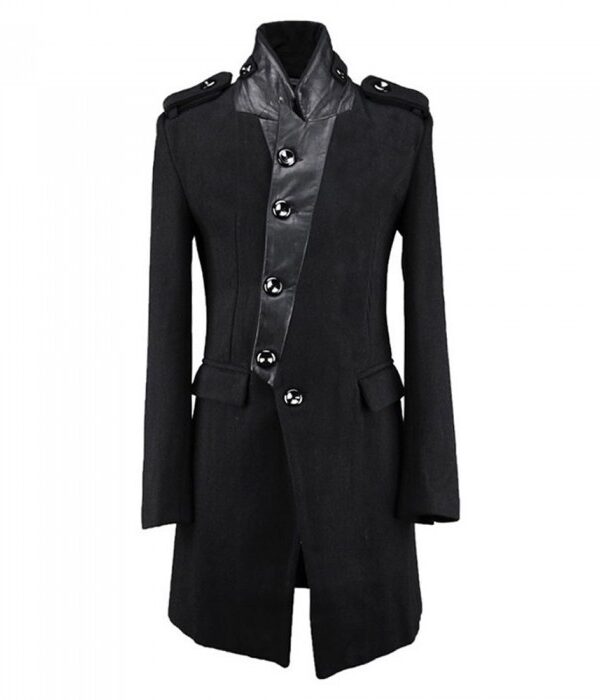
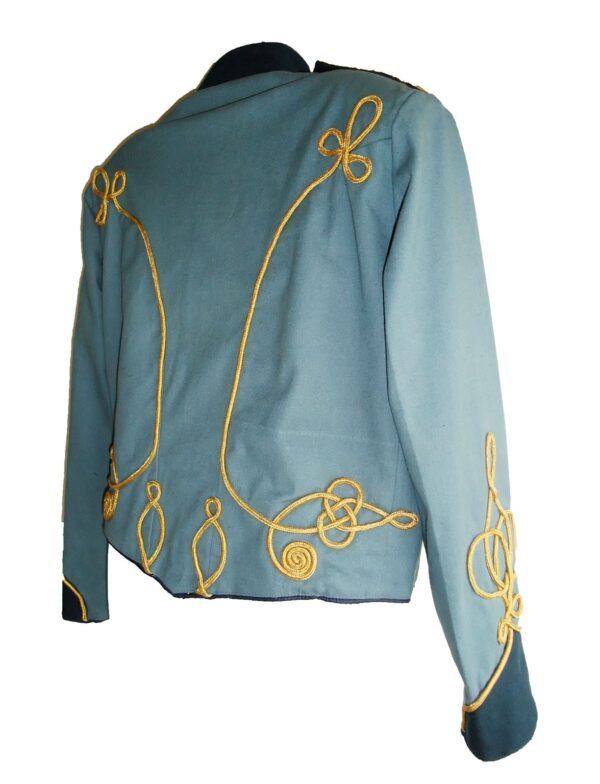
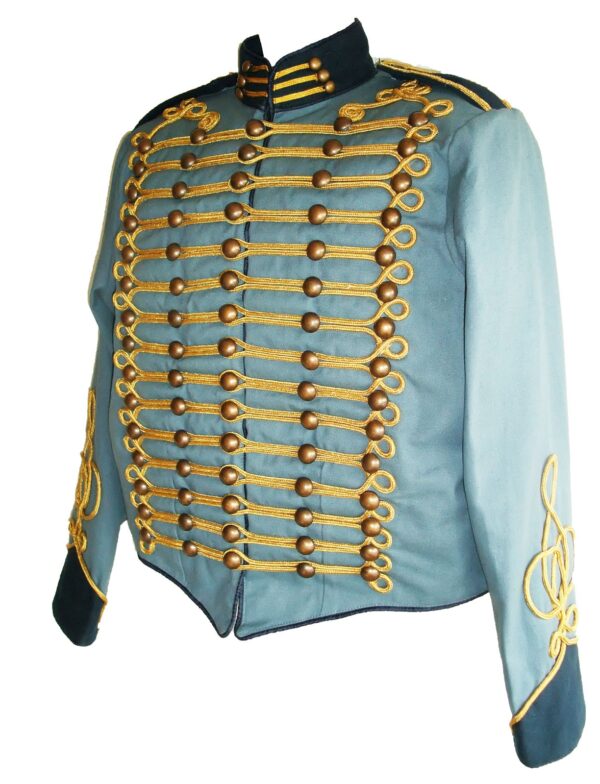
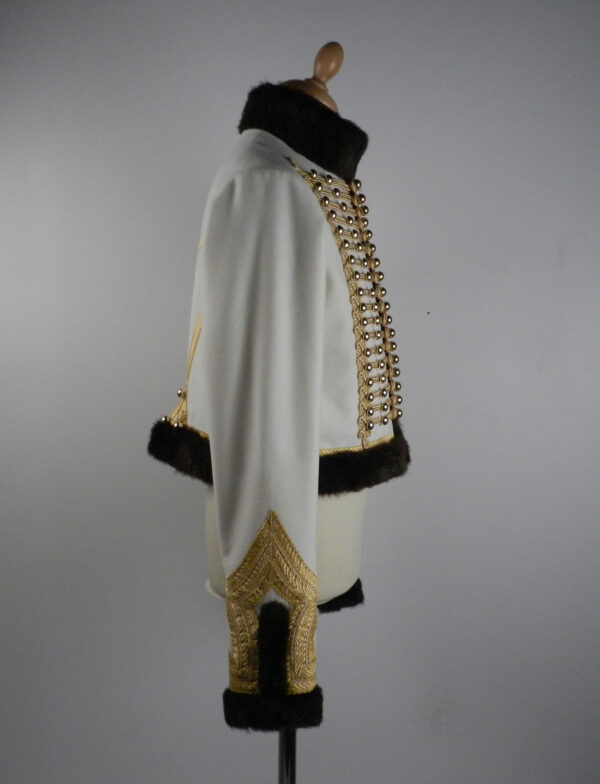
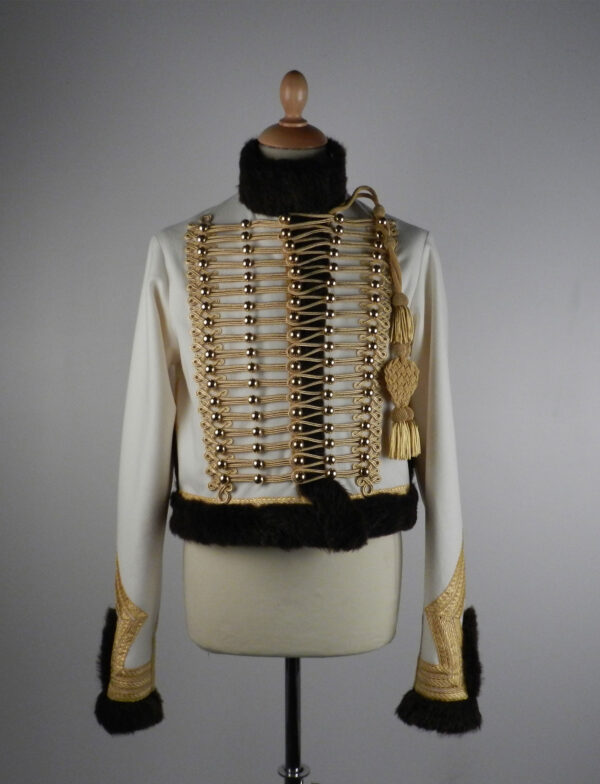
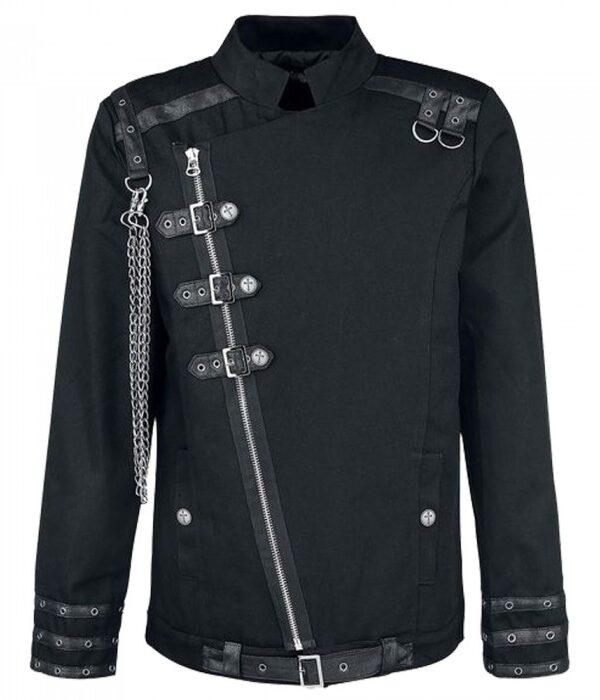
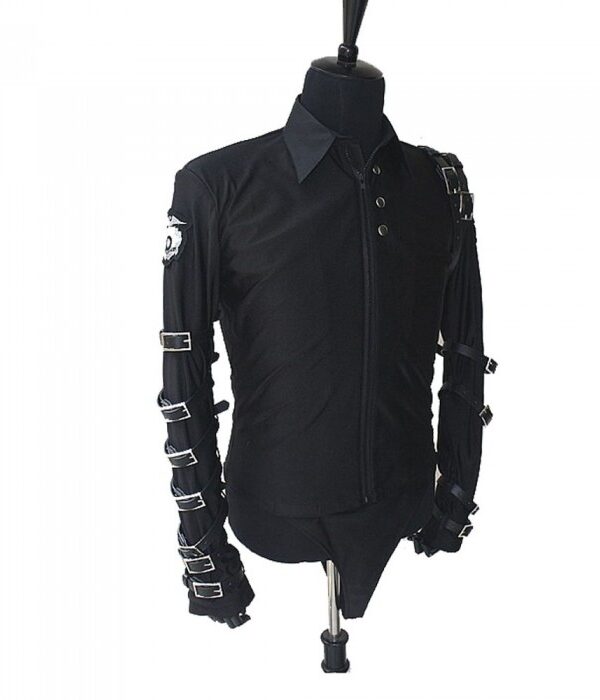
About our gothic jackets and coats
Gothic outerwear, hand-cut to your measurements since 2017
Kilt and Jacks has been making gothic jackets and coats by hand since 2017. Every piece we ship — whether a long trench, a biker jacket, a Victorian-inspired overcoat, or a steampunk variant — is drafted from six measurements you send us: chest, natural waist, hip, sleeve length, back length, and shoulder width. Cut and stitched by hand at our workshop, with solid brass or matte black hardware, reinforced construction at every stress point, and satin linings throughout. Prices from $189 for jackets and $249 for full-length coats.
What defines gothic outerwear as a category
Gothic jackets and coats belong to the visual language of gothic, punk, industrial, and alternative subcultures — dark fabrics, hardware-forward detailing, and silhouettes that make a statement rather than blend in. What separates the category from mainstream outerwear is intent. A standard leather jacket is designed to be one piece of an outfit. A gothic leather jacket is designed to be the point of the outfit — the piece the eye lands on first and reads as identity.
The category isn't costume, though it borrows from theatrical and historical dress. It's a genuine mode of daily and evening wear for people who identify with gothic, industrial, metal, punk, and alternative scenes, and for people who simply prefer darker aesthetics and stronger visual language in their outerwear. Gothic jackets and coats have grown from subcultural fashion in the 1980s into an established alternative category worn at gigs, festivals, alternative nightlife, gothic and industrial events, LARP and reenactment, alternative weddings, and increasingly as everyday streetwear for buyers who want their outerwear to signal something specific rather than blend in.
Jackets vs. coats — the silhouette split
Gothic outerwear divides broadly into two silhouettes with different visual reads. Jackets — biker, moto, blazer, punk cuts — end at the hip or shorter, and read more everyday and modern. They're the daily-wear gothic outerwear category, right for gigs, streetwear, festival use, and any context where you want the gothic aesthetic without the theatrical weight of a long coat. Coats — trenches, dusters, Victorian-inspired long coats, military-cut greatcoats — end at the thigh or below, and read more dramatic and theatrical. They're the statement piece category, right for evening events, alternative weddings, stage wear, and any context where the outerwear is meant to command visual space.
Choose by aesthetic context first. If you want gothic outerwear that reads as everyday clothing with a strong visual identity, jackets. If you want gothic outerwear that reads as intentional statement dressing, coats. Many gothic wardrobes include both — a biker jacket for daily rotation and a long trench for events and evenings.
Materials and construction
We work in four primary fabrics for gothic outerwear. Full-grain leather is the strongest visual statement and the longest-lasting choice — develops patina over years, ages into personal character, and reads as serious rather than costume. Black denim is the everyday workhorse — lighter weight, machine-washable, right for daily wear and streetwear contexts where leather reads too formal. PVC is the high-shine club-forward fabric — reads industrial and stage-ready, cut looser than leather because PVC has less give. Heavy cotton drill is the base for most detailed gothic construction — matte black, breathable, and the foundation for pieces with heavy hardware or Victorian tailoring detail.
Hardware is where gothic outerwear earns its category. All our hardware — D-rings, buckles, chains, grommets — is solid metal rather than plated, in brass, matte black, or chrome finishes. Chains are riveted at attachment points, not stitched. Belt loops and strap anchors are reinforced with box-stitched bar tacks. YKK zippers throughout. Seams double-stitched at every stress point. Every piece is inspected against the measurements you sent us before it ships.
The styles we make
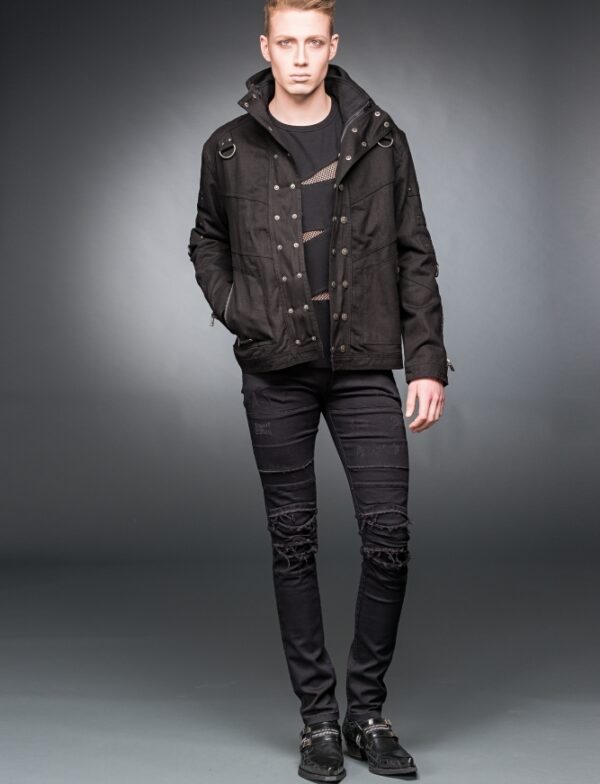
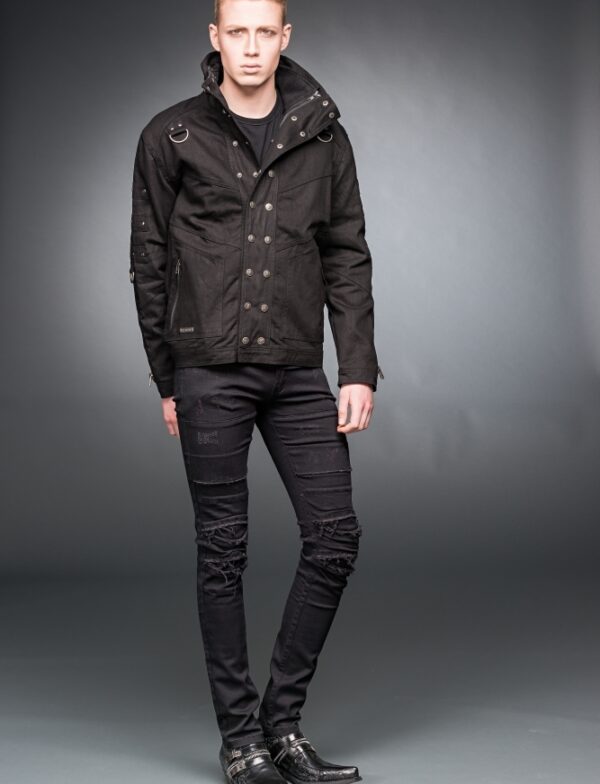
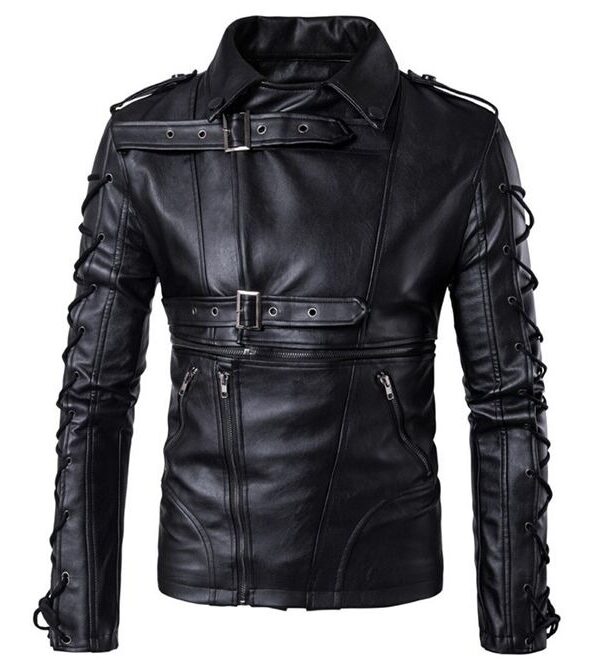
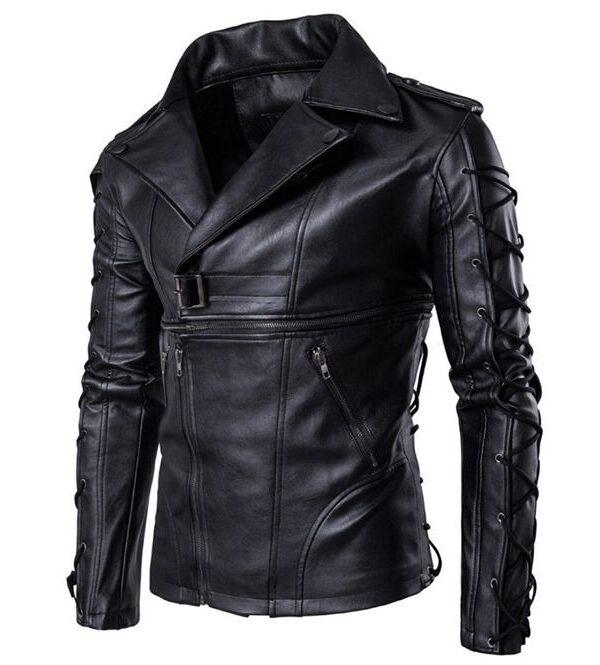
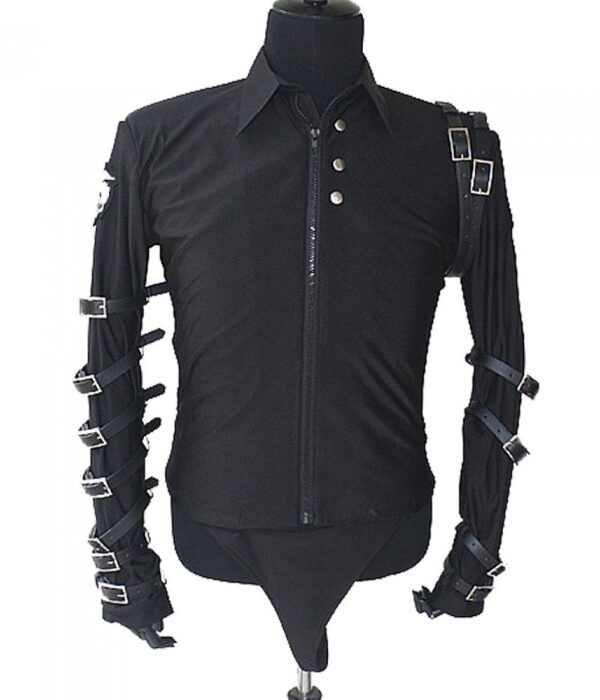
Gothic biker jackets. Black leather biker cuts with asymmetric zippers, D-rings, and reinforced hardware. The daily-wear staple of gothic outerwear — pairs with everything from utility kilts to jeans to gothic dresses. From $189.
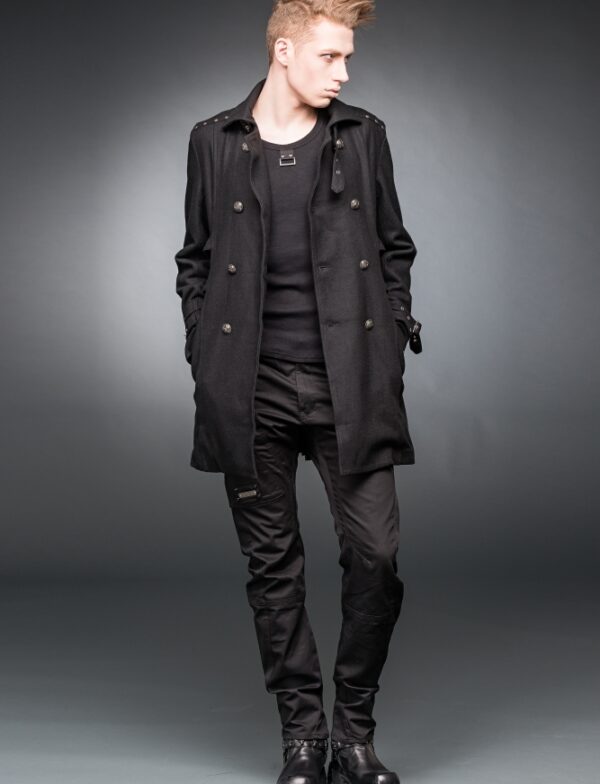
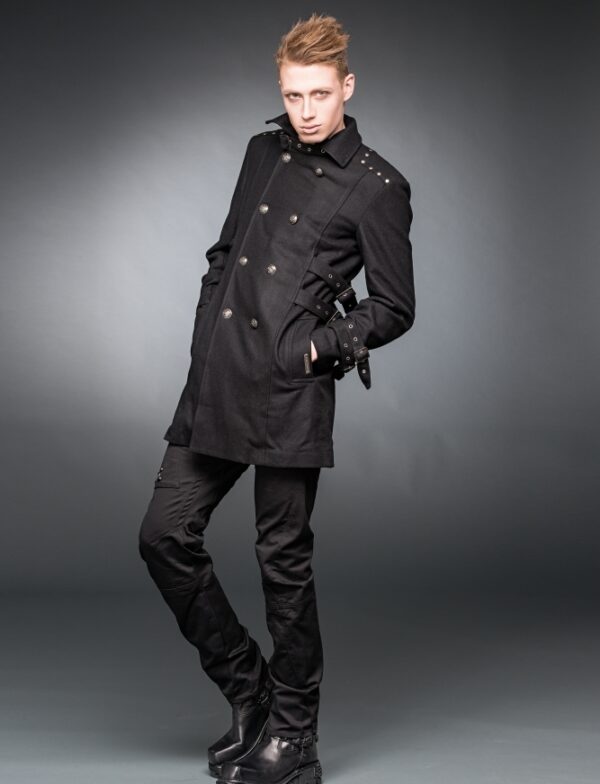
Gothic trench coats. Long dramatic trenches in leather, PVC, or heavy cotton with buckle-fastened belts, layered straps, and hardware detailing. The evening and statement category — reads Victorian, industrial, or post-apocalyptic depending on the specific cut. From $299.
Gothic long coats and dusters. Thigh-length and knee-length coats in the tradition of Victorian and Edwardian outerwear, adapted with modern gothic hardware. Right for gothic weddings, formal evening events, and stage wear. From $329.
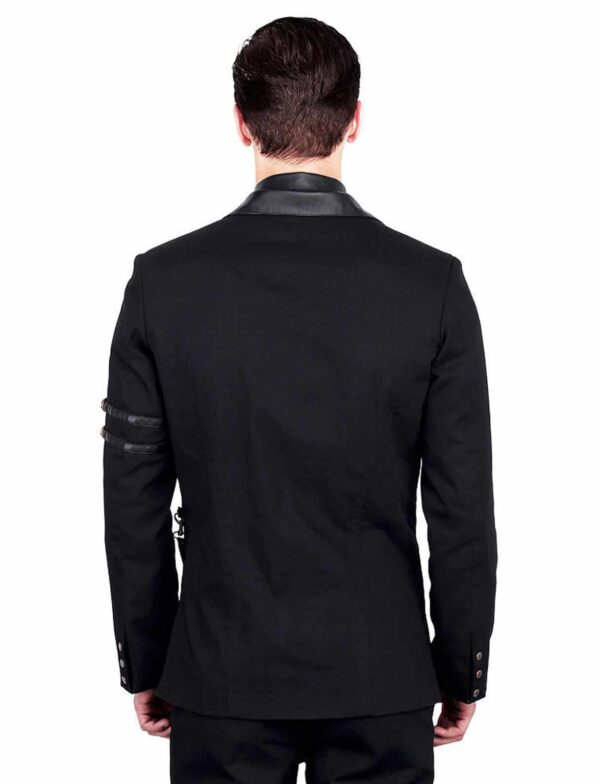
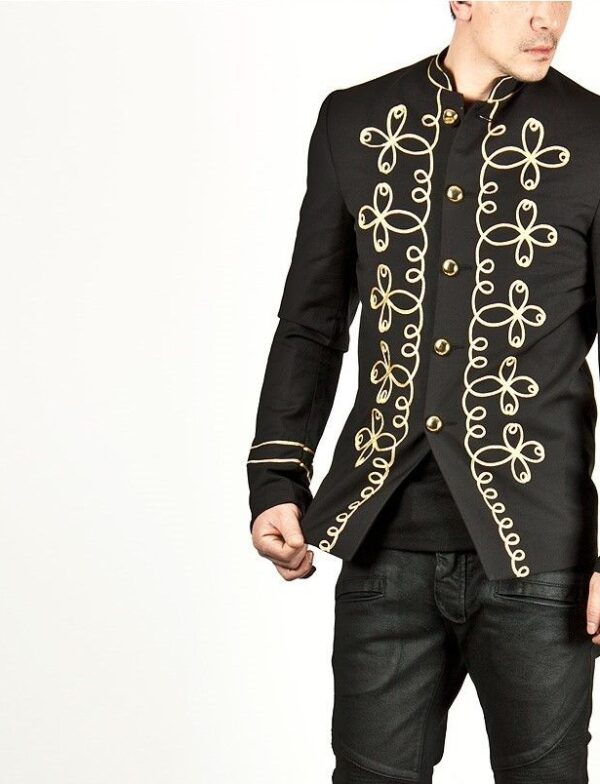
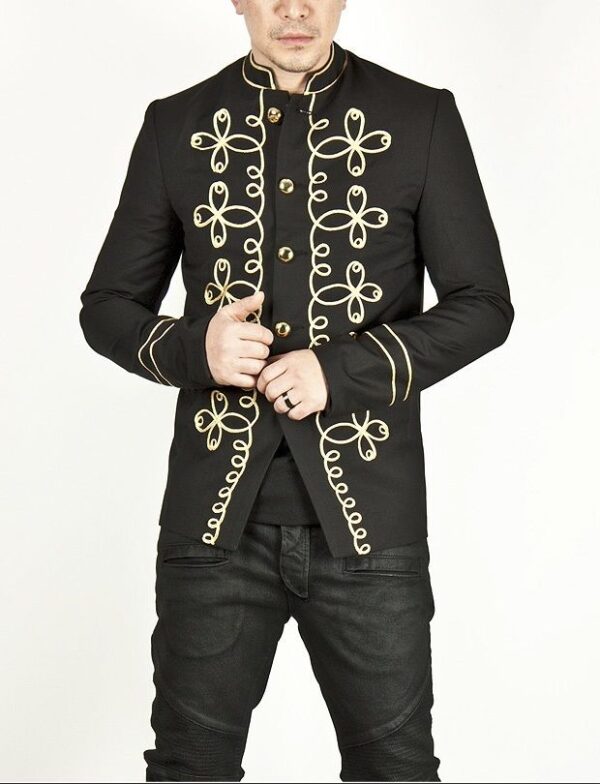
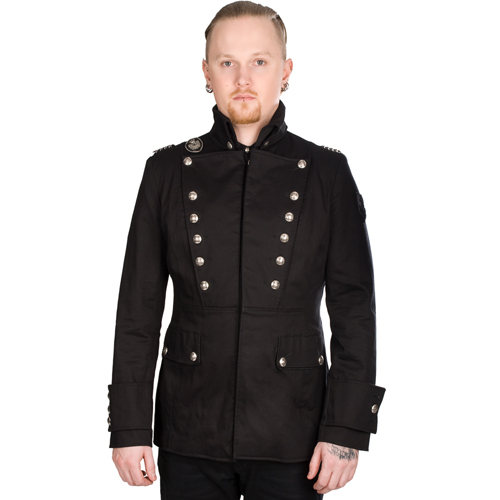
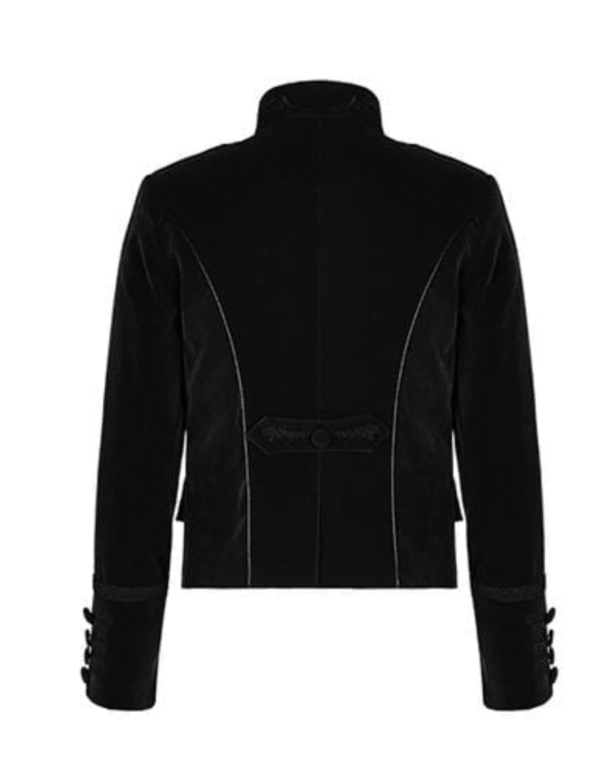
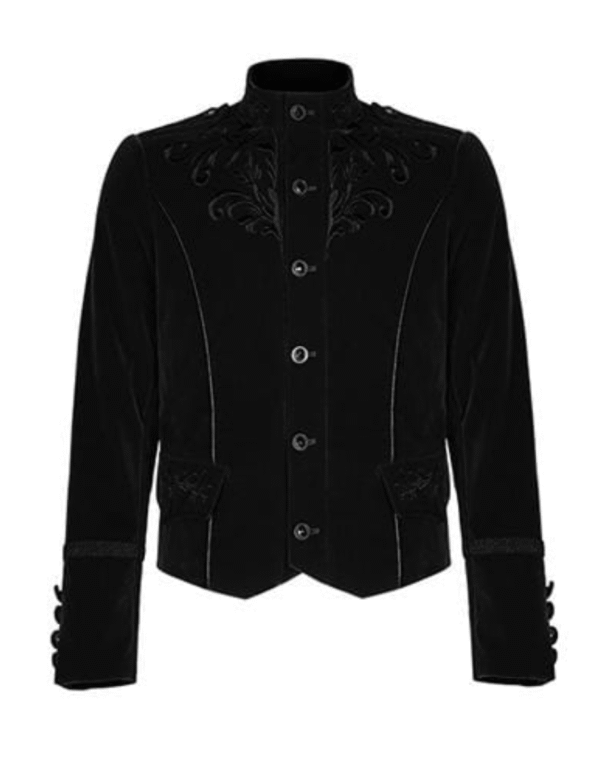
Gothic blazers and formal jackets. Structured tailored jackets in black wool or cotton drill with subtle gothic detailing — decorative buttons, contrast stitching, sharp lapels. The gothic-adjacent formal option for buyers who want dark aesthetic in a business or semi-formal register. From $249.
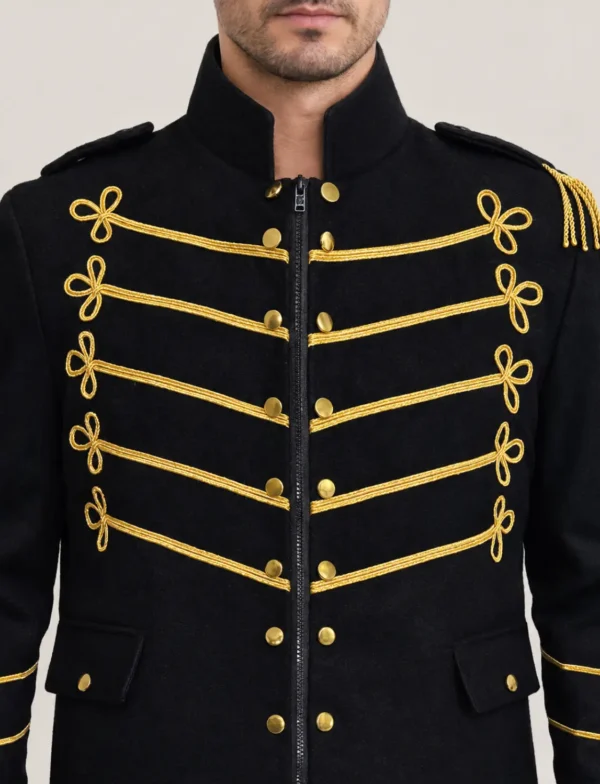
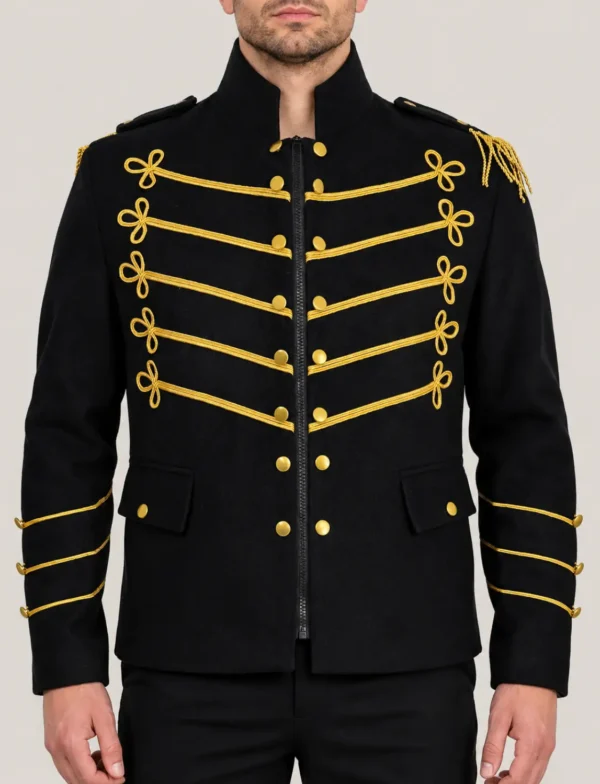
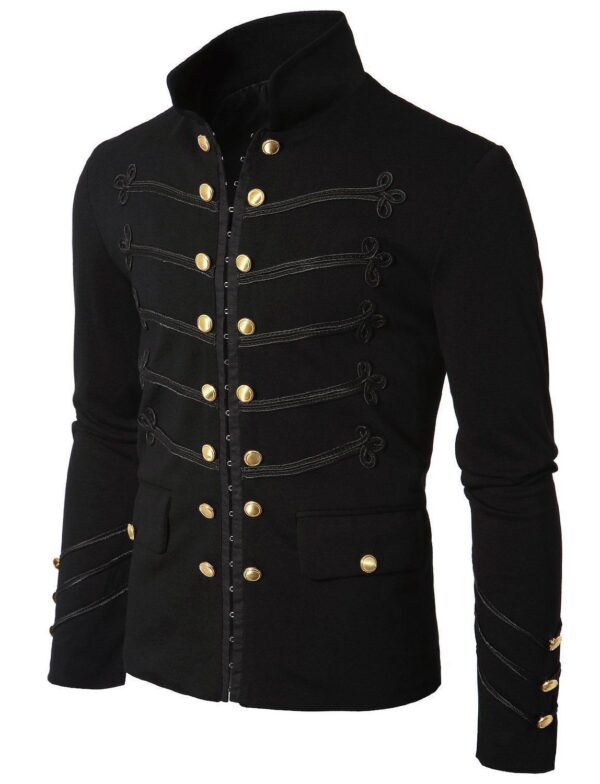
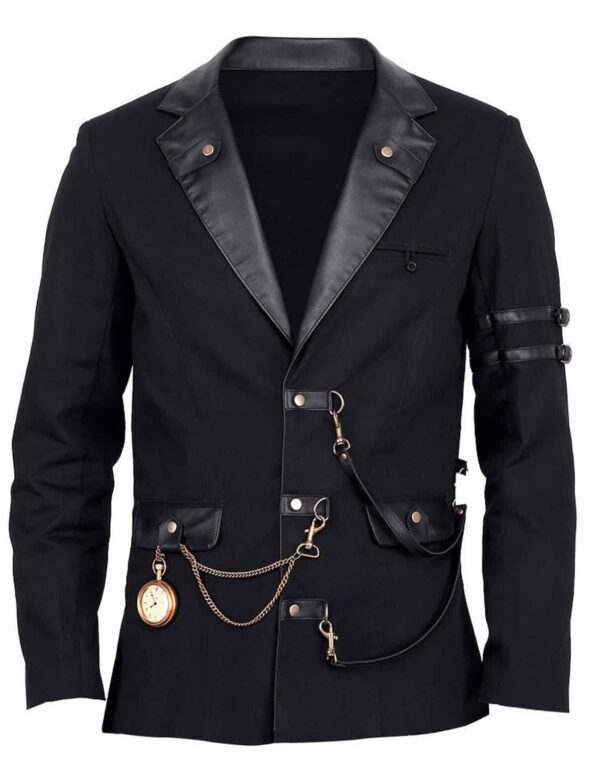
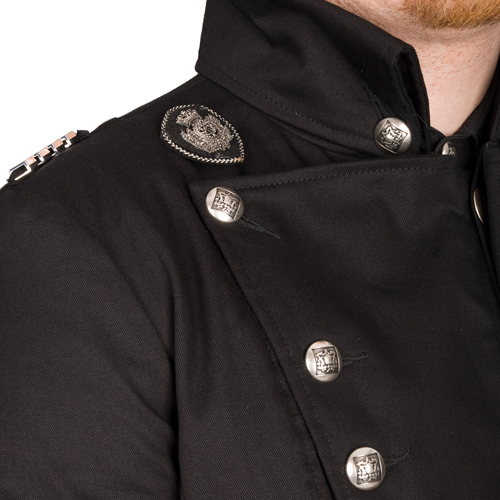
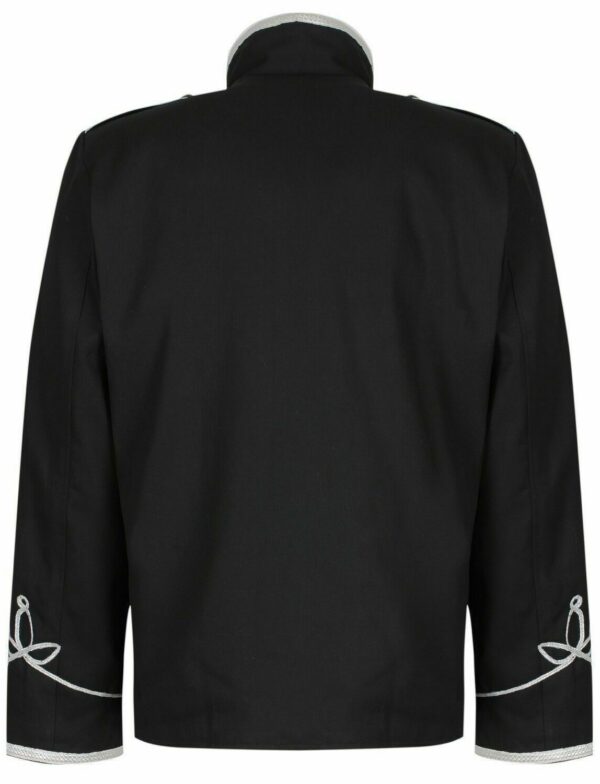
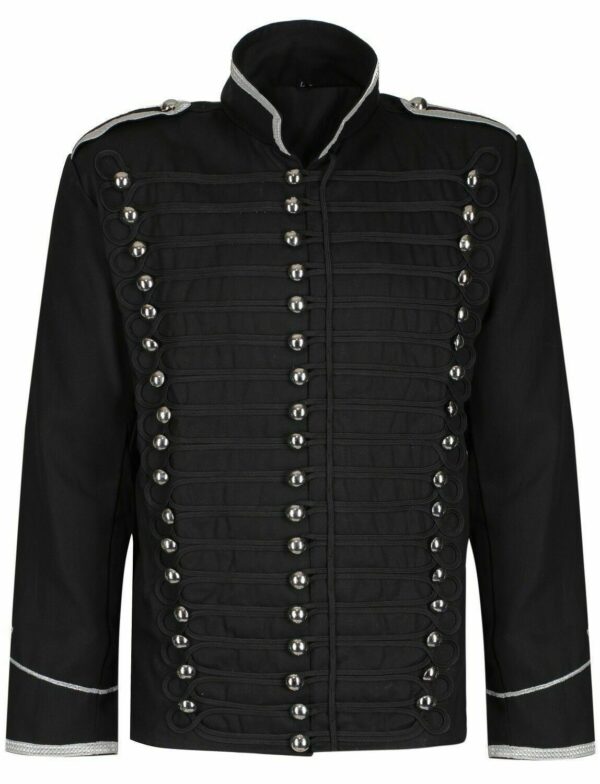
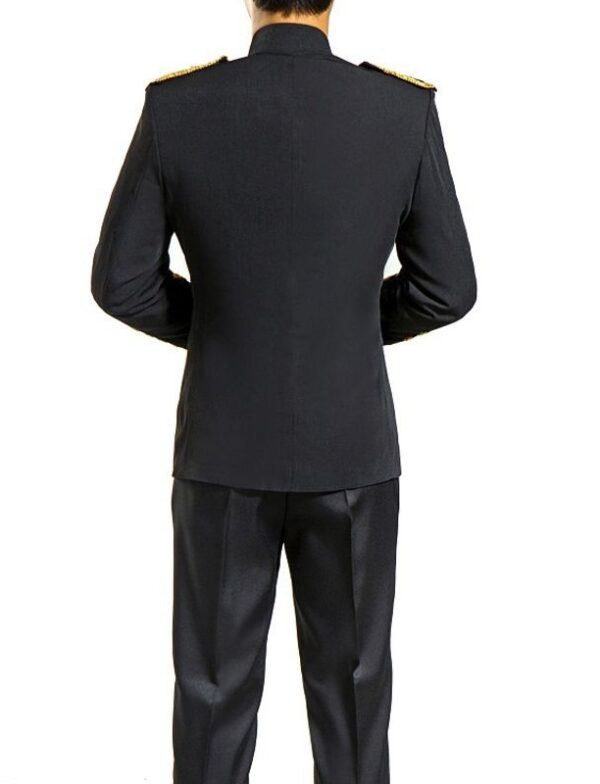
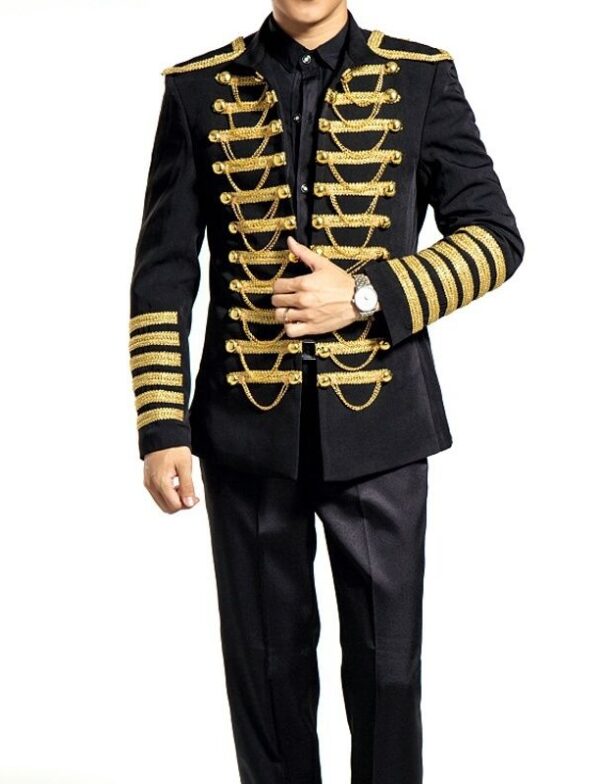
Steampunk jackets and coats. Industrial-Victorian hybrids with brass hardware, corset lacing details, epaulette shoulders, and mechanical-aesthetic detailing. Right for steampunk events, cosplay, LARP, and alternative fashion contexts where the gothic register bleeds into the industrial-historical. From $269.
Not sure which style suits your use case? Message us with the context and we'll match you to the right piece.
Choosing yours
Choose by context first, silhouette second, fabric third. For daily wear and streetwear, gothic biker jackets in leather or black denim. For gigs, alternative nightlife, and festival wear, biker jackets or shorter trenches with strong hardware. For gothic and alternative weddings, long trench coats or gothic blazers depending on the wedding's formality register. For stage wear, LARP, and cosplay, longer dramatic coats and steampunk variants. For evening events where you want dark aesthetic without going full theatrical, gothic blazers in wool.
Gothic outerwear pairs naturally with our gothic kilts, leather kilts, and utility kilts — the visual languages complement rather than compete. For traditional Highland formal jackets to wear with a kilt at Scottish weddings or ceremonies, see our separate kilt jackets and waistcoats section.
Every gothic jacket and coat ships in ten working days, is hand-cut at our workshop, and is guaranteed to fit the measurements you sent us. If it doesn't, we remake it. See our returns policy for full terms.
5 stylesBikers, trenches,
coats, blazers, steampunk
coats, blazers, steampunk
10 daysCut, stitched,
shipped
shipped
Solid hardwareBrass, matte black,
or chrome
or chrome
Free remakeIf the fit isn't
perfect
perfect
Frequently asked
Questions before ordering
What is the Gothic clothing style called?
Gothic fashion doesn't have a single formal name — it's generally referred to as gothic style, goth fashion, or gothic subcultural fashion. Different subcategories within gothic have their own names: traditional goth (or trad goth) refers to the 1980s post-punk aesthetic; romantic goth draws on Victorian and Edwardian mourning wear; industrial goth incorporates cyberpunk and industrial music aesthetics; nu-goth blends gothic elements with modern streetwear; and pastel goth softens the palette with lighter colours. What defines the broader category is dark aesthetic language, hardware-forward detailing, and silhouettes that make a statement rather than blend in. Gothic clothing grew from post-punk and gothic rock subcultures of the late 1970s and 1980s and has evolved into an established alternative fashion category worn across streetwear, formalwear, and event contexts.
What's the difference between gothic jackets and gothic coats?
Length and read. Gothic jackets — biker, moto, blazer, and punk cuts — end at the hip or shorter and read as everyday clothing with strong visual identity. They're the daily-wear category, right for gigs, streetwear, festivals, and daily rotation. Gothic coats — trench coats, long duster coats, Victorian-style overcoats, greatcoats — end at the thigh or below and read as intentional statement dressing. They're the evening and event category, right for alternative weddings, stage wear, gothic clubs, and any context where the outerwear commands visual space. Many gothic wardrobes include both — a biker jacket for daily wear and a long trench for events.
What is the difference between a trench coat and a duster coat?
Origin, cut, and register. A trench coat originated as military outerwear developed for British officers in the First World War trenches — double-breasted with wide lapels, structured shoulders, a belted waist, gun flap at the shoulder, and traditionally cut to mid-calf length in cotton gabardine or wool. A duster coat originated as American frontier and equestrian outerwear worn by cattle drovers and horse riders to protect clothing from trail dust — single-breasted with a looser fit, no belt or a simple tie, split back vent for riding, and traditionally cut to ankle length in canvas, leather, or linen. In gothic and alternative fashion, both silhouettes are adapted with hardware, buckle detailing, and darker fabrics. Trench coats read more military and structured; duster coats read more Western and flowing. Both are correct gothic outerwear choices; the difference is aesthetic register rather than functional.
Why were they called Duster coats?
Duster coats were named for their original purpose — protecting the wearer's clothing from dust. The garment was developed in the American West during the mid-nineteenth century for cattle drovers, horse riders, and travellers crossing dusty terrain on horseback or by wagon. The long ankle-length cut and split back vent allowed the coat to drape over the saddle while riding, while the loose fit permitted layering over regular clothing. As American frontier culture faded, the duster coat was adopted by early motorists in the late 1800s who needed similar protection from dust and road grit while driving open-air automobiles. Today the term "duster" refers to any ankle-length or floor-length coat regardless of function, and gothic and alternative fashion has embraced the silhouette for its dramatic Western-inspired presence.
What does wearing a trench coat symbolize?
The symbolism depends on cultural context. Historically, the trench coat symbolises military service and authority — it originated as British officer outerwear in the First World War and remained associated with military rank and formality through the twentieth century. In classic Hollywood cinema, the trench coat became associated with detectives, spies, and film noir characters, symbolising mystery, watchfulness, and moral ambiguity (Humphrey Bogart in Casablanca and The Maltese Falcon defined this association). In gothic and alternative fashion, the trench coat symbolises deliberate outsider identity, Victorian romanticism, and confident statement dressing — it reads as intentional theatre rather than casual outerwear. The trench coat carries more cultural weight than most garments because it has been continuously reinterpreted across military, cinematic, fashion, and subcultural contexts for over a century.
What body type looks best in a trench coat?
Trench coats are among the most universally flattering coat silhouettes because the structured shoulder, defined waist, and long lean line work across most body types. Tall and lean builds carry the classic mid-calf trench most easily — the vertical line elongates naturally. Shorter builds should choose a shorter trench (knee-length rather than mid-calf) to avoid the coat overwhelming the frame. Broader builds benefit from a properly-fitted trench because the defined waist and structured shoulders create silhouette definition; avoid oversized trench coats that add bulk. Athletic and V-shaped builds carry any trench length well because the shoulders anchor the drape naturally. What matters more than body type is fit — a made-to-measure trench cut to your specific measurements will flatter your build significantly better than an off-the-rack trench in a standard size. This is why we draft every trench coat from your measurements rather than sizing from a chart.
Can I wear gothic outerwear with a kilt?
Yes — the visual languages complement each other well. Gothic biker jackets pair naturally with our utility kilts and leather kilts for daily wear and festival use. Gothic trench coats and long coats pair with our gothic kilts for stage wear, alternative weddings, and event contexts. What doesn't work is pairing gothic outerwear with traditional Highland formal kilts (tartan formal, Scottish wedding contexts) — the two visual languages don't overlap and the outfit reads confused. For traditional Highland formal jackets to wear with a tartan kilt at a Scottish wedding, see our kilt jackets and waistcoats section instead.
What is the steampunk style?
Steampunk is a subgenre of alternative fashion drawing on Victorian and Edwardian aesthetics combined with retro-futuristic industrial imagery from the age of steam power. The clothing register includes brass hardware and buckles, corset lacing and structured tailoring, top hats and bowlers, waistcoats and cravats, pocket watches, goggles, epaulettes and military-inspired detailing, and mechanical or clockwork motifs. Fabrics tend toward brown leather, brass-hardware canvas, striped or checked wool, and Victorian-inspired brocades. Steampunk emerged as an aesthetic movement in the 1980s from science fiction literature (William Gibson, Bruce Sterling, and later K.W. Jeter, who coined the term) and grew into a distinct fashion subculture in the 2000s. It overlaps with gothic fashion but has its own visual signatures — where gothic emphasises darkness and hardware for statement effect, steampunk emphasises Victorian craftsmanship and industrial-era detail for a retro-futuristic effect. Most steampunk pieces read as gothic-adjacent; not all gothic pieces read as steampunk.
Is it okay to wear steampunk casually?
Yes — steampunk elements can be worn casually and increasingly are as the aesthetic has moved from convention-specific costume into everyday alternative fashion. The key to casual steampunk is restraint: choose one or two steampunk pieces rather than a full head-to-toe outfit. A brown leather waistcoat with brass buttons over a plain shirt reads casual-steampunk. A single steampunk-adjacent piece like a leather bomber jacket with corset lacing or brass hardware works in daily rotation without reading as costume. Full steampunk outfits — top hat, goggles, three-piece Victorian suit, pocket watch — are better reserved for steampunk conventions, cosplay, LARP, alternative weddings, and events where the register is expected. If you love the aesthetic but want it in daily wear, individual steampunk pieces are the way in.
Is Steampunk still a thing in America?
Yes, though its cultural moment has shifted. Steampunk peaked in mainstream American cultural awareness between 2008 and 2015, driven by convention culture, mainstream media coverage, and prominent fashion appearances. The peak has passed, but the subculture remains active — steampunk conventions run in most major American cities (Steampunk World's Fair, Wild Wild West Con, Watch City Steampunk Festival, Steampunk NYC), online communities and fashion brands continue to serve the aesthetic, and steampunk elements have migrated into broader alternative fashion, tattoo culture, wedding themes, and everyday streetwear. Steampunk is no longer a mainstream fashion trend but has settled into an established subcultural aesthetic worn by committed practitioners, alternative fashion enthusiasts, and buyers drawn to Victorian and industrial-era detailing. If you're building a steampunk wardrobe or occasional collection in America, the aesthetic is alive and available; if you're expecting the mainstream cultural moment of ten years ago, that peak has passed.
How do you care for gothic leather outerwear?
Never machine wash leather. Spot-clean surface marks with a slightly damp cloth and mild leather soap. Condition every three to six months with a neutral leather conditioner — thin layer, buffed dry. Store on a wide hanger away from direct sunlight to prevent fading and cracking. For PVC and coated fabrics, wipe clean with a damp cloth and mild soap; do not machine wash or expose to heat. For heavy cotton drill and denim pieces, machine wash cold on gentle cycle, inside-out, and air dry to preserve pleats and hardware. Check all hardware annually and tighten any loose D-ring or buckle screws before they work themselves loose. With basic care, a full-grain leather gothic piece lasts twenty years or more and develops patina that deepens the personal character of the garment.
Can gothic jackets and coats be worn to weddings?
Yes, at the right kind of wedding. Alternative and gothic weddings — where the couple wants dark aesthetic incorporated into the ceremony — are ideal contexts for gothic outerwear. A long trench coat or gothic blazer for a groom, a well-fitted biker jacket for a groomsman at an alternative wedding, or a Victorian-style long coat for a gothic wedding guest are all appropriate and increasingly common. What doesn't work is wearing gothic outerwear to traditional weddings — Scottish formal Highland weddings, black-tie civilian weddings, or conservative religious ceremonies all expect standard formal wear, and gothic pieces read as inappropriate to those contexts. Check the invitation and the couple's stated dress code before committing.
How long does production take?
Ten working days from order to shipment, worldwide. Every gothic jacket and coat is hand-cut and stitched at our workshop rather than assembled from pre-made components, so the ten-day timeline applies regardless of complexity — a simple biker jacket and an elaborate Victorian trench take similar production time because both are made to your measurements. If you need a piece for a specific date (an event, wedding, festival), order at least three weeks in advance to allow for production and international tracked shipping.