BLACK FRIDAY IS HERE! ✦ 20% OFF EVERYTHING · Shop the Sale →
About our gothic kilts
Gothic kilts, hand-cut to your measurements since 2017
Kilt & Jacks has been making gothic kilts by hand since 2017. Every gothic kilt we ship — whether leather, PVC, denim, or hybrid tartan — is drafted from three measurements you send us: waist at the natural waistline (not the trouser waist, which is the single most common measurement mistake), hip at the widest point, and length from waist to the middle of the kneecap. There is no factory sizing. There is no closest fit. Prices from $99, with hardware options in solid brass, matte black, and chrome.
What makes a gothic kilt different
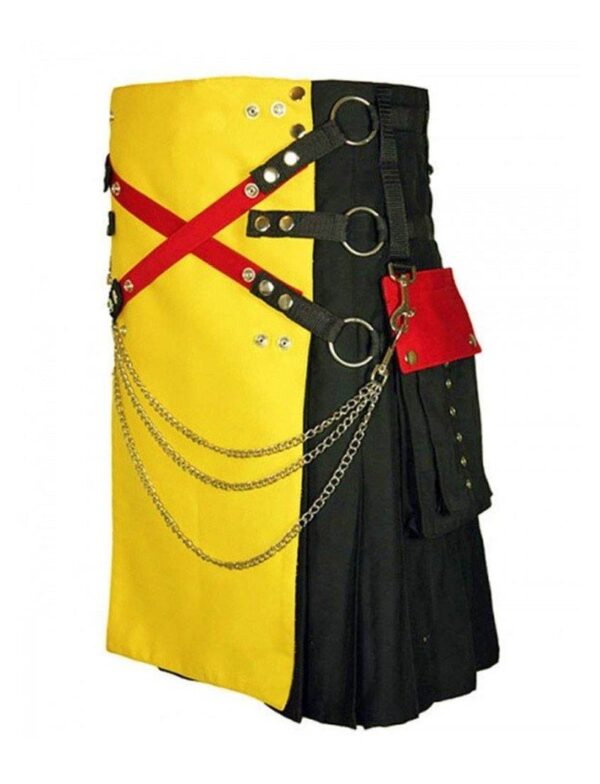
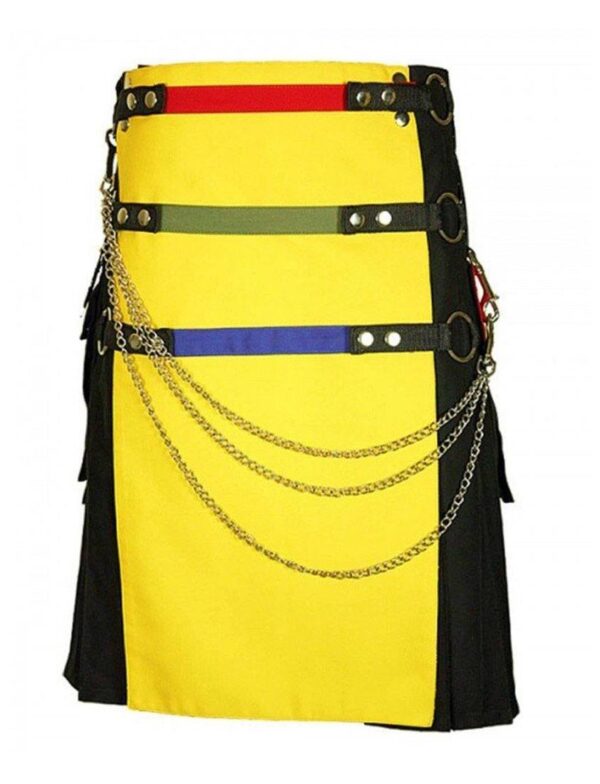
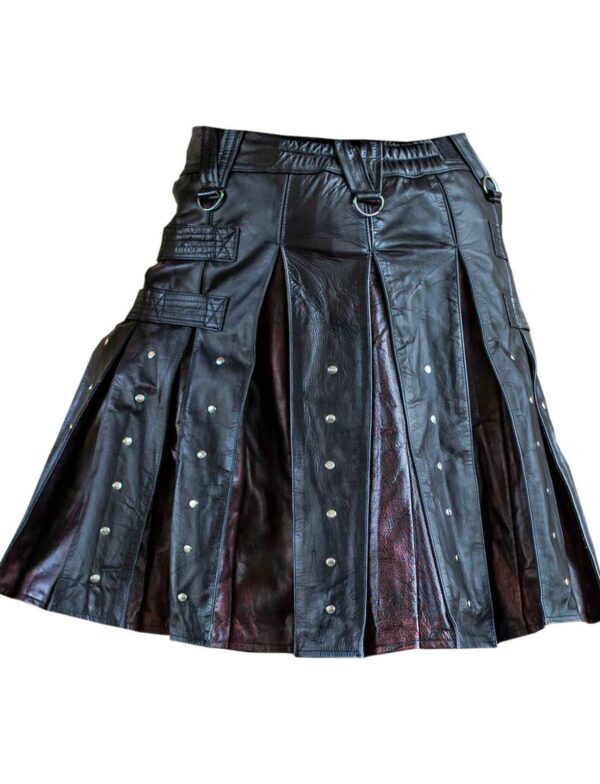
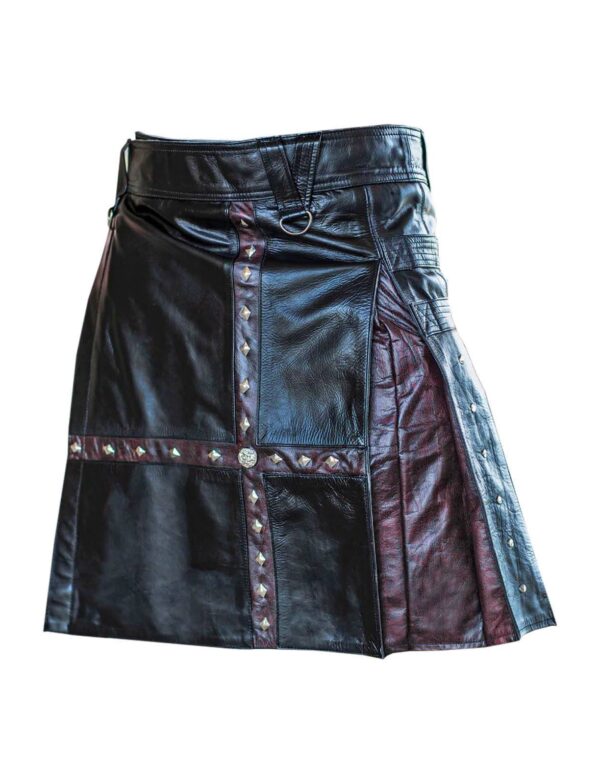
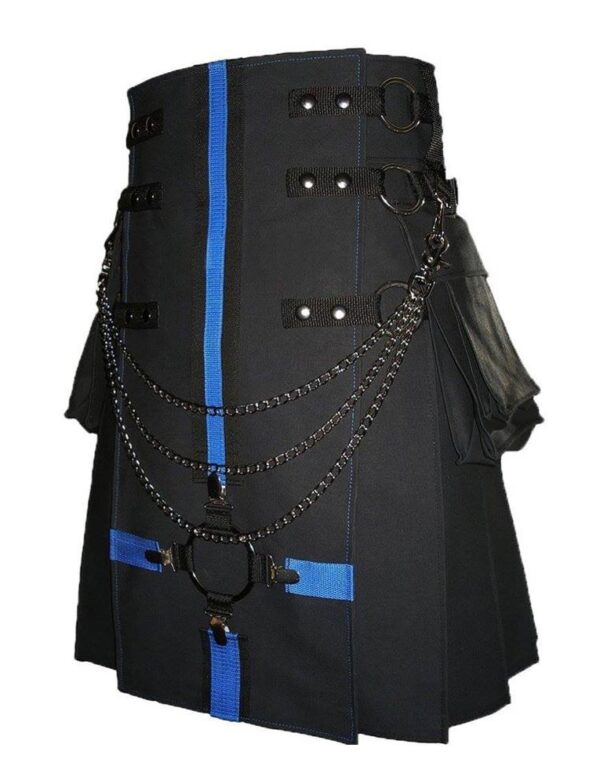
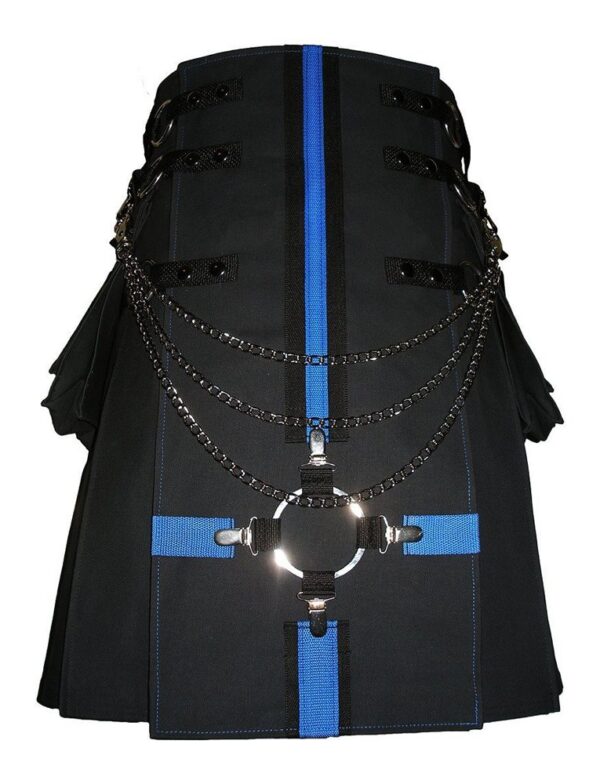
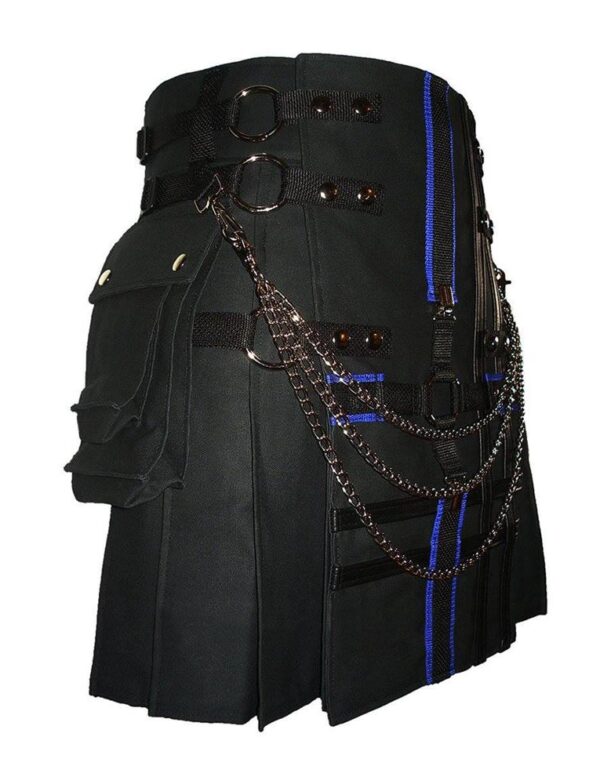
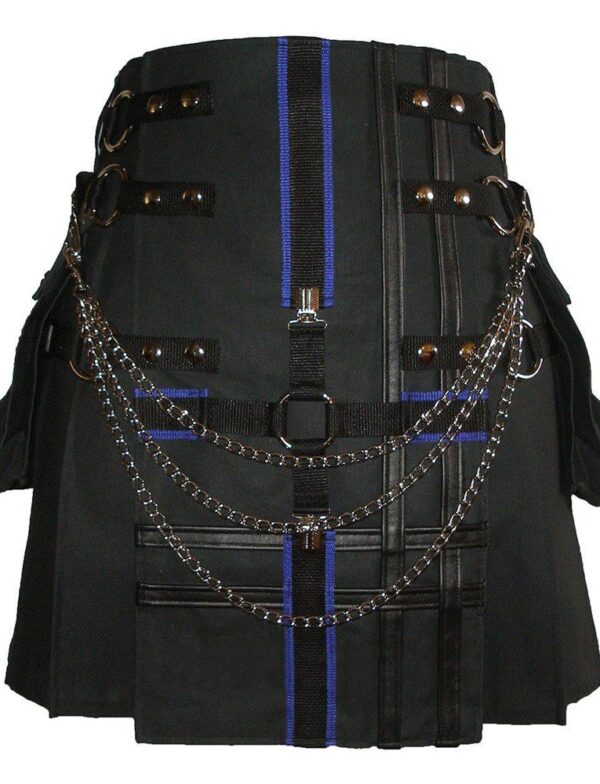
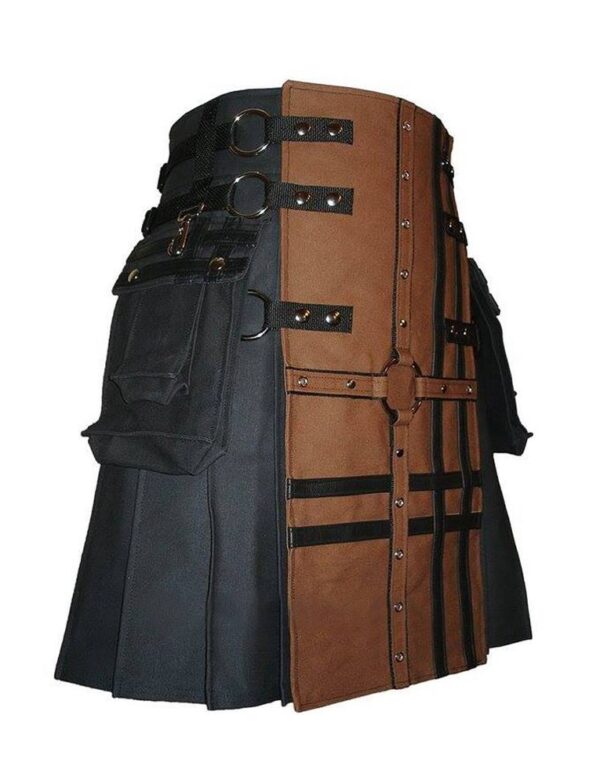
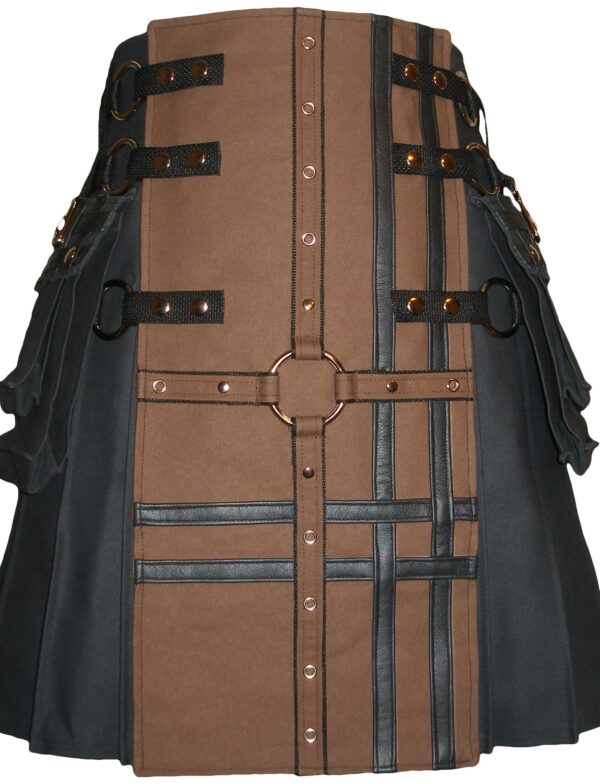
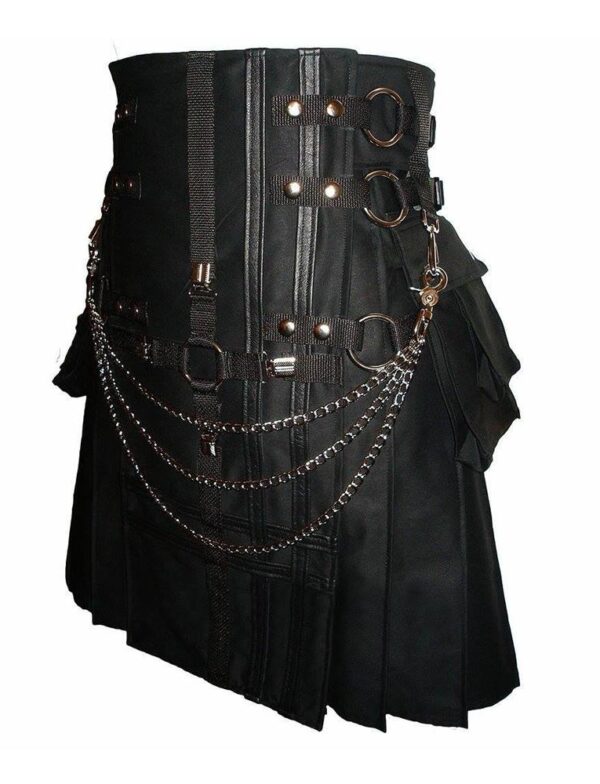
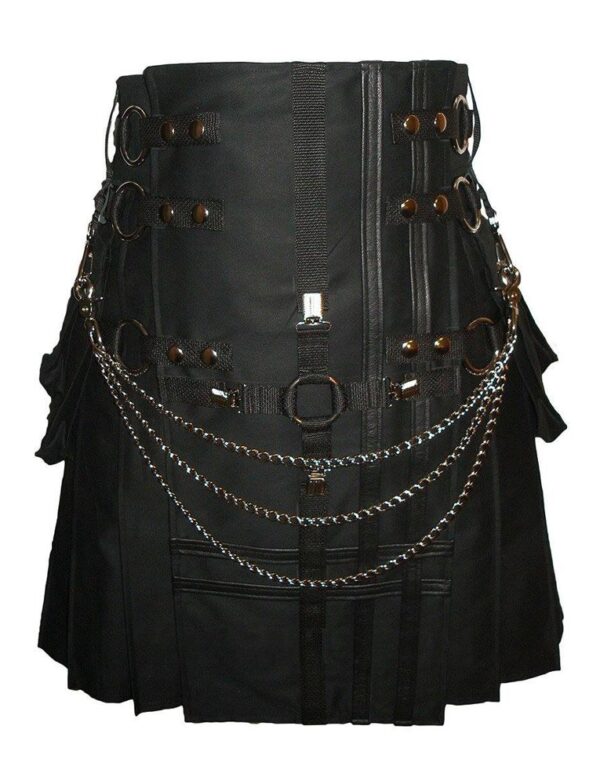
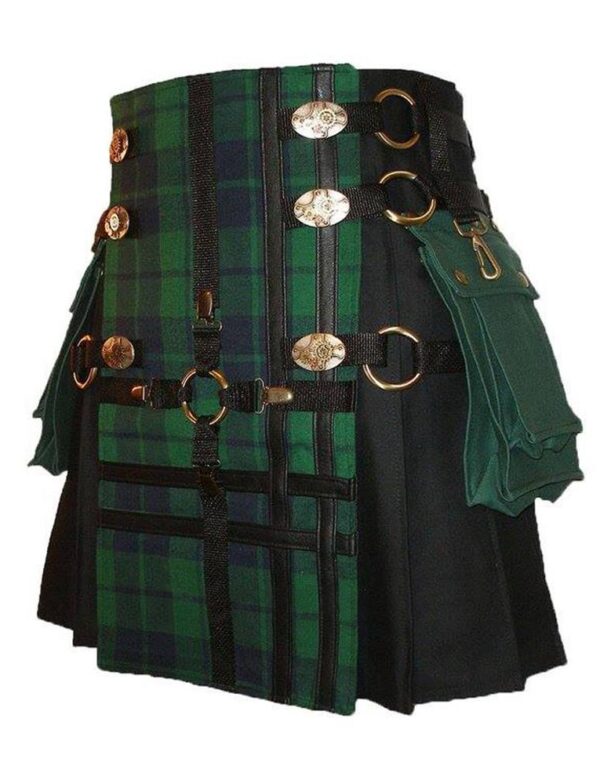
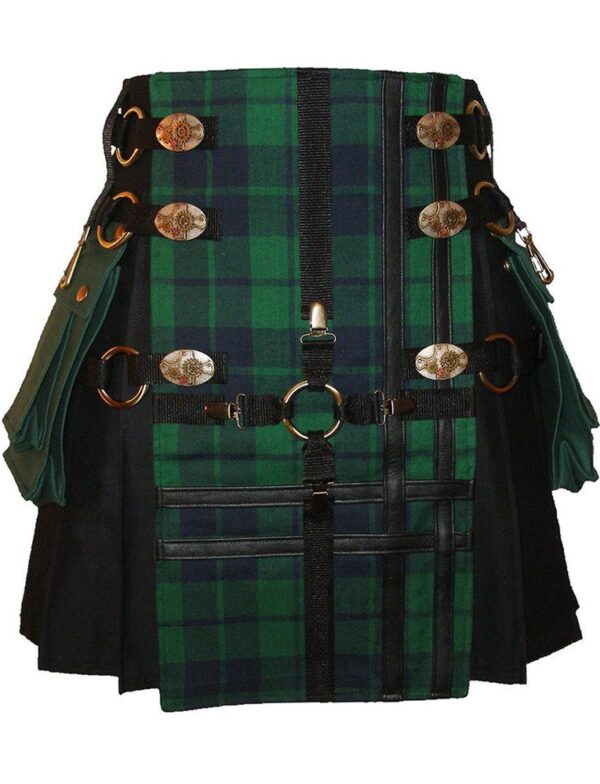
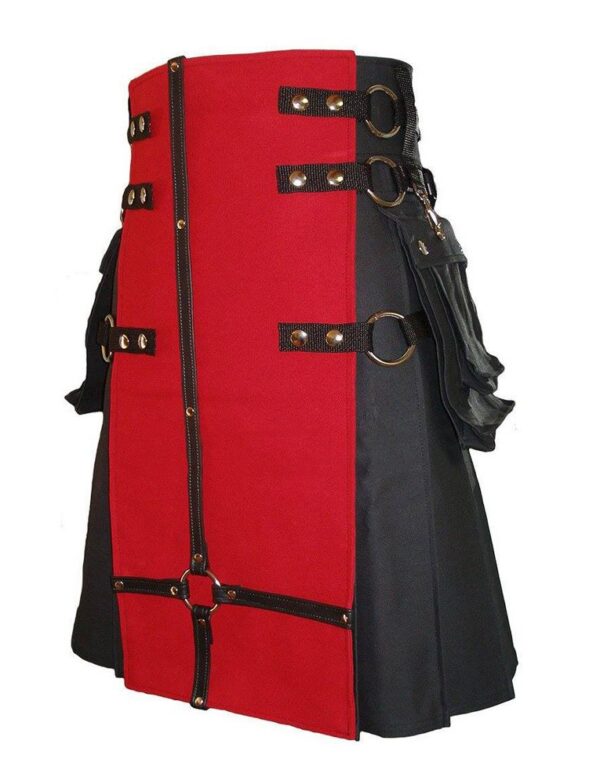
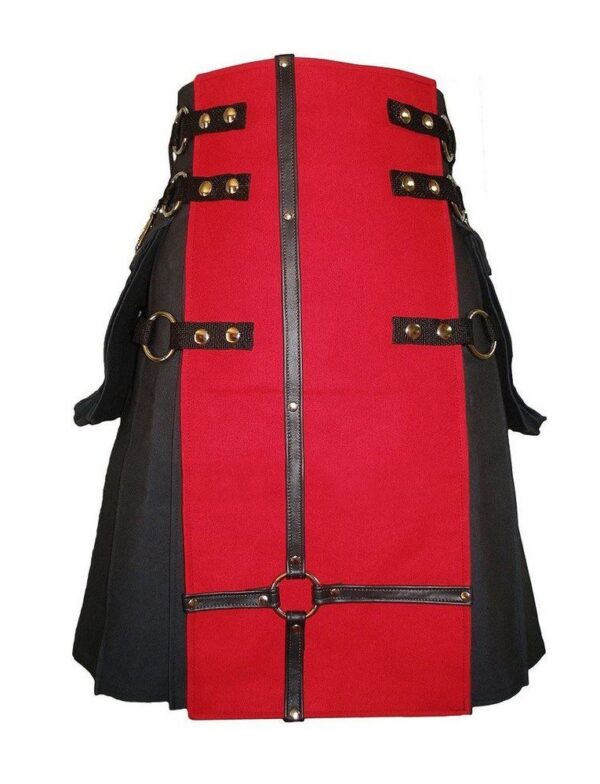
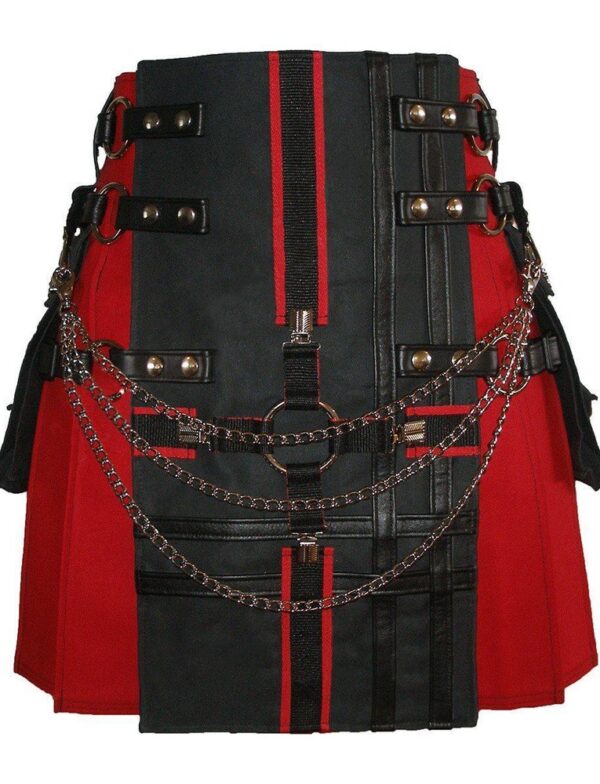
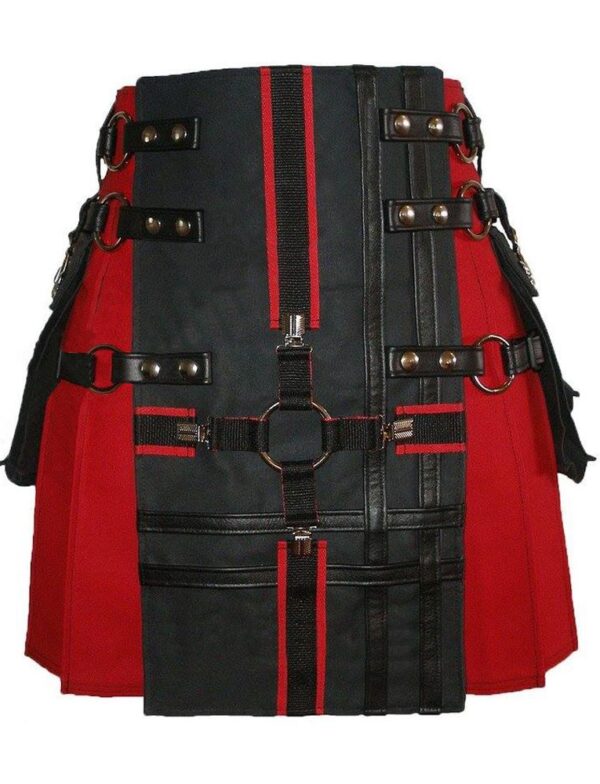
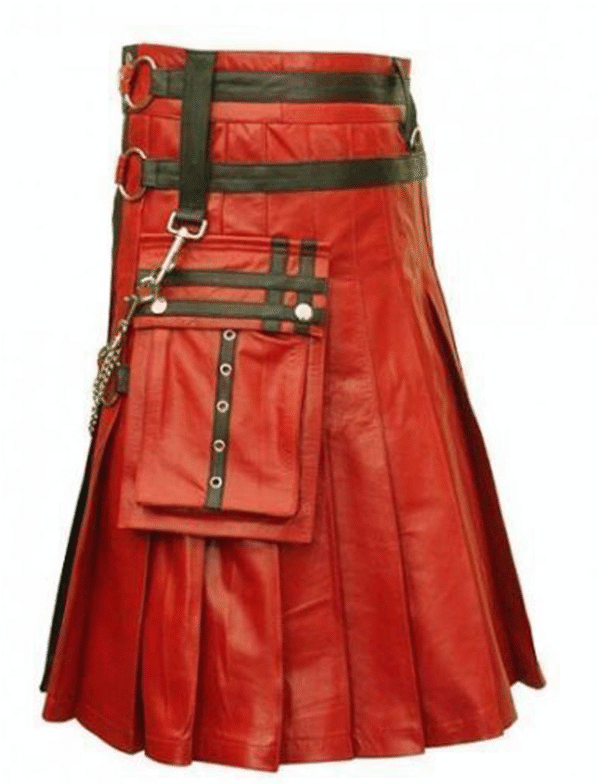
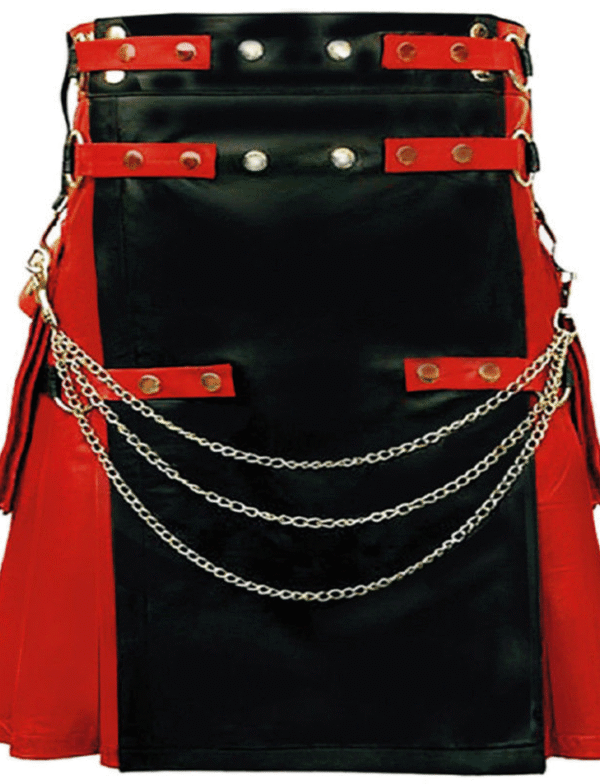
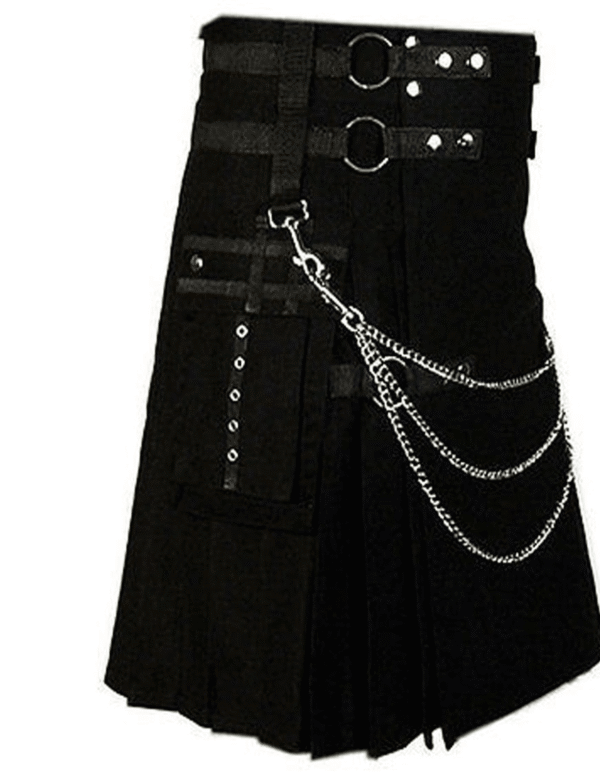
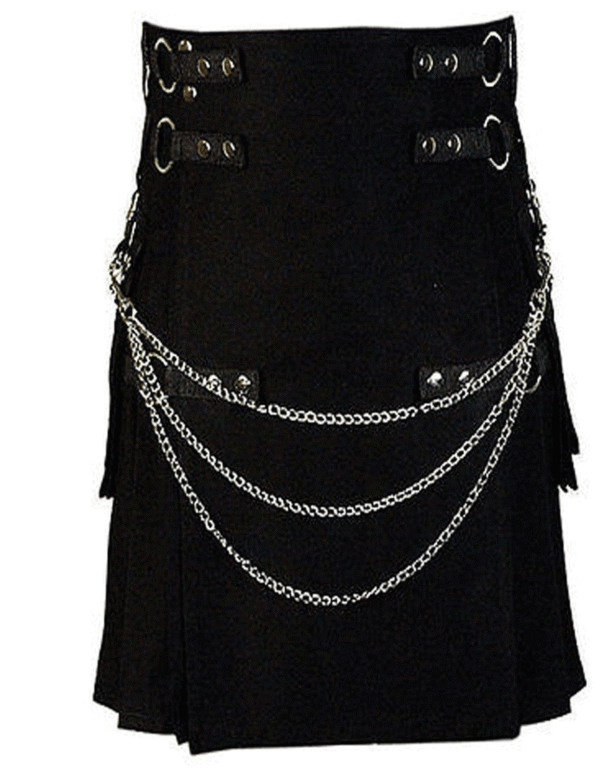
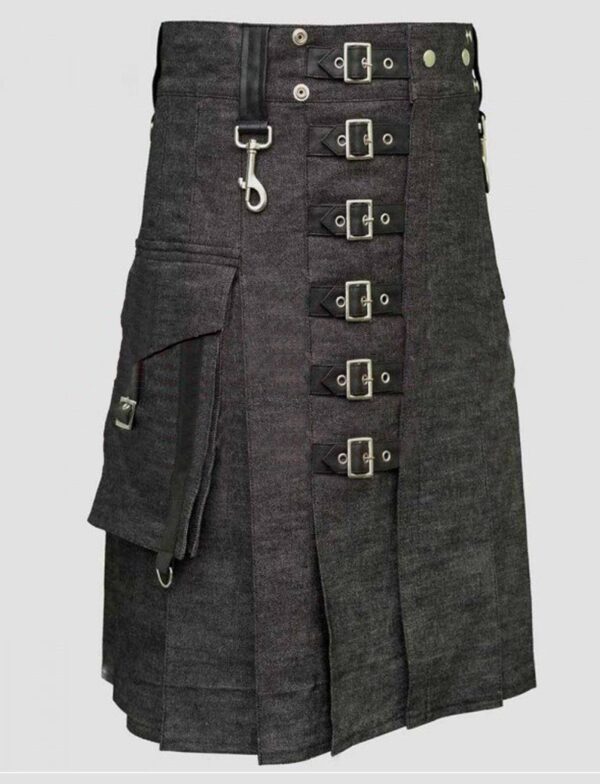
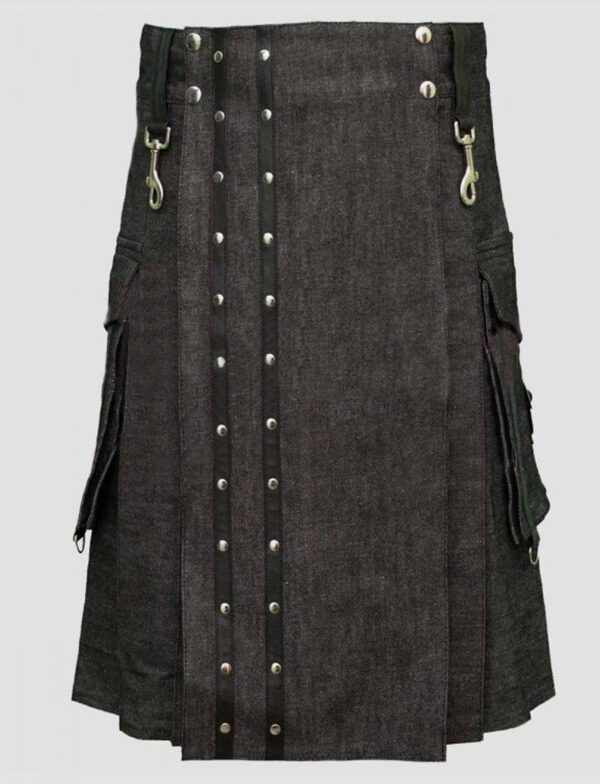
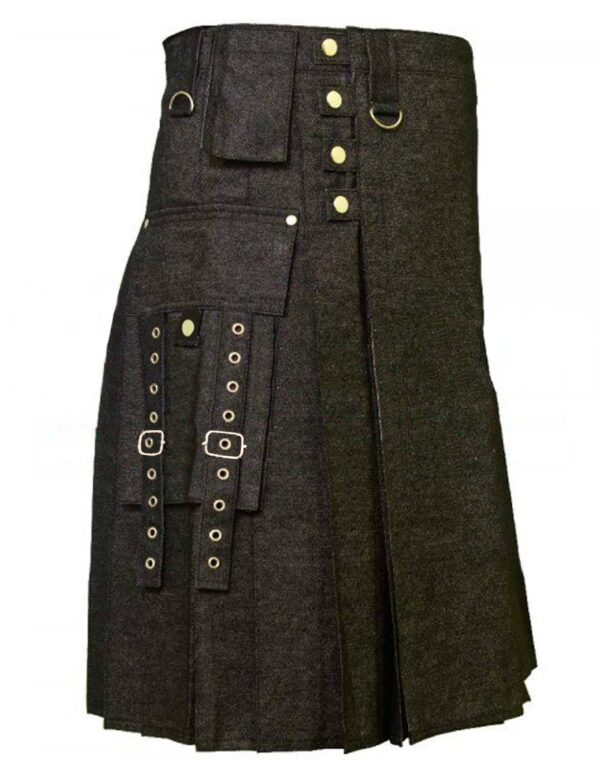
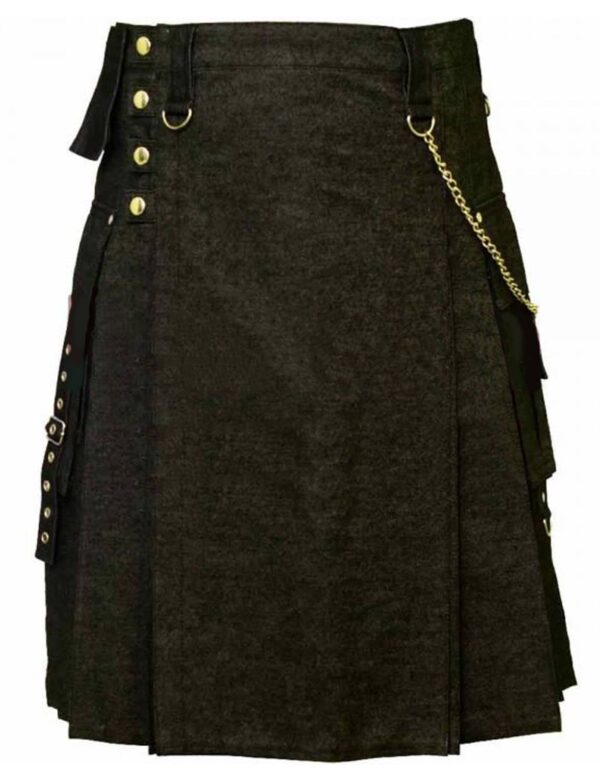
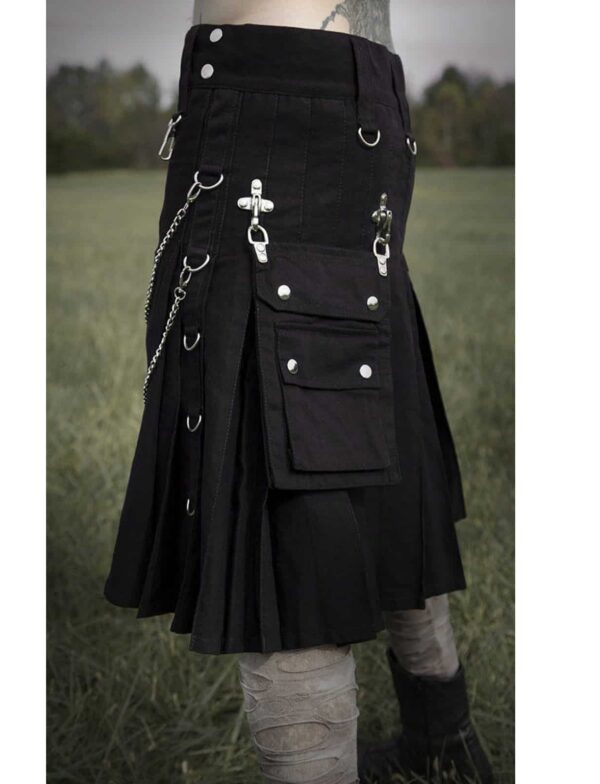
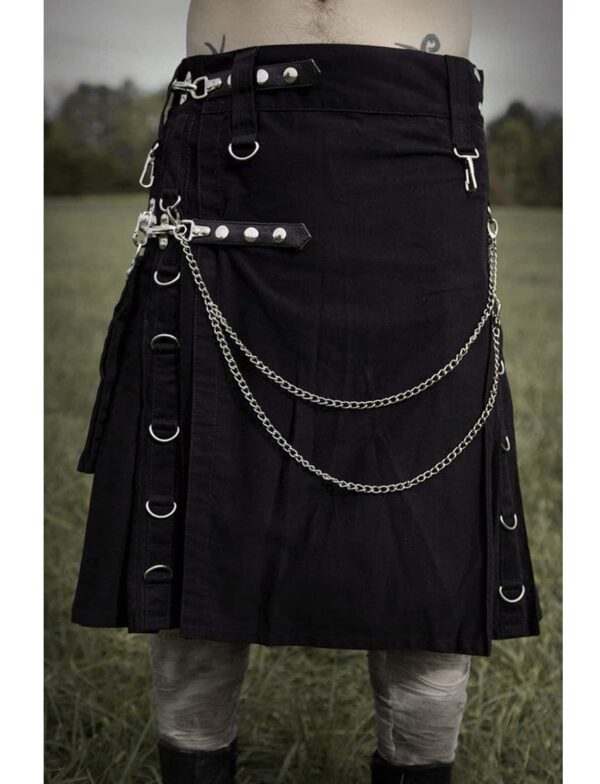
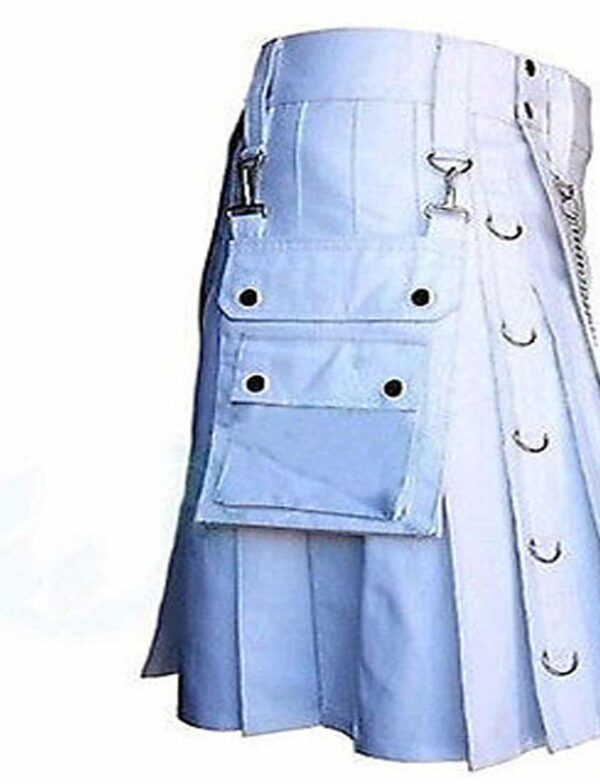
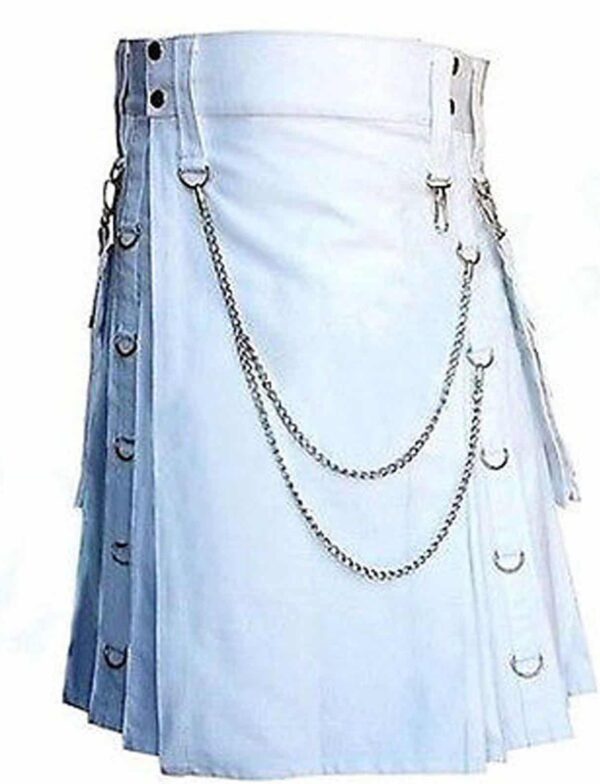
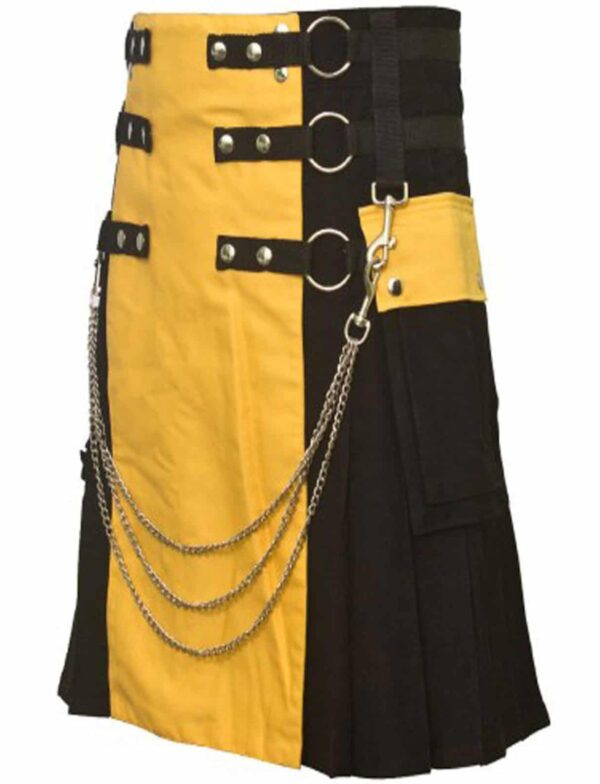
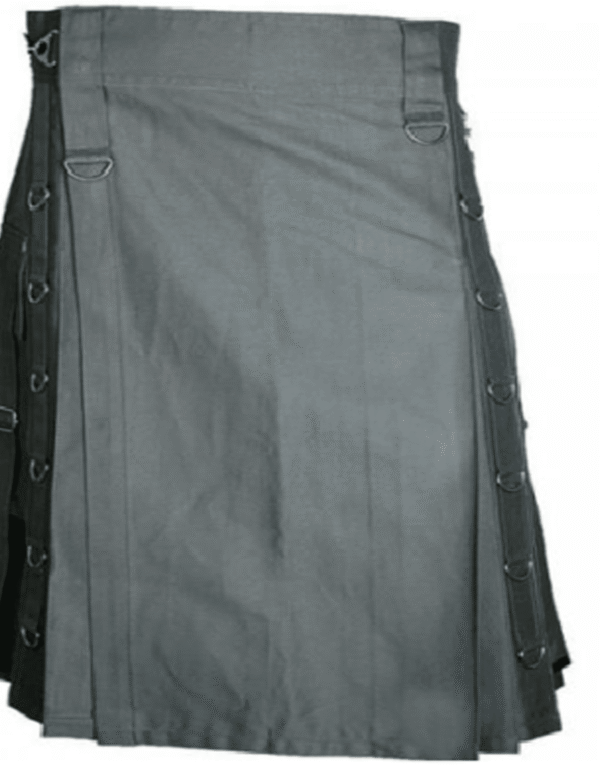
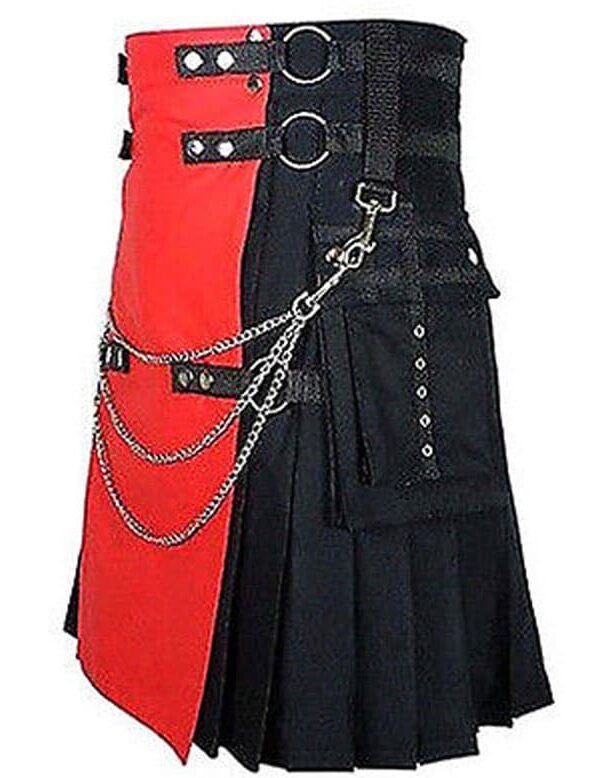
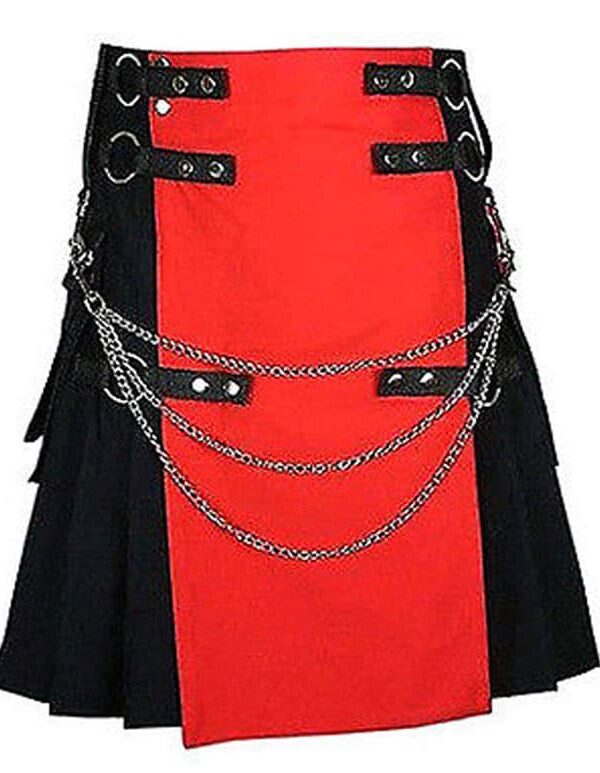
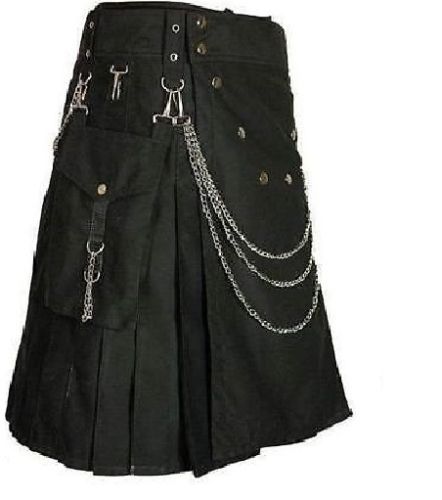
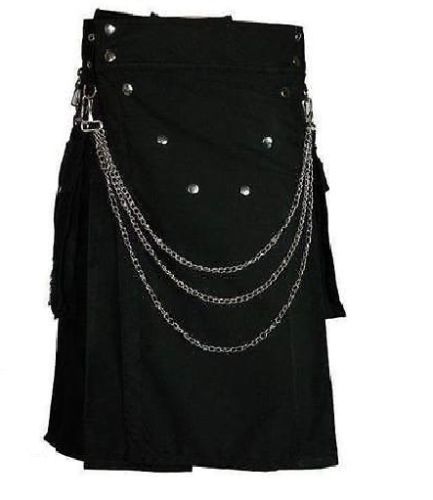
A gothic kilt takes the wraparound silhouette of the traditional Scottish kilt and reworks it in the visual language of gothic, punk, industrial, and alternative subcultures. What defines the category is the hardware: D-rings, chains, layered straps, exposed buckles, grommets, and often studs or spikes. Fabrics are darker and heavier than tartan — black leather, black denim, PVC, and heavy cotton drill — and the pleats are usually stitched permanently rather than left loose, which gives the kilt a more structured, sharper-edged shape than traditional Highland dress.
Historically, gothic kilts have no connection to Scottish tradition. They emerged through the goth, industrial, and metal scenes of the 1980s and 1990s — bands like Type O Negative, Rammstein, and the wider industrial scene put kilts on stage as part of a broader borrowing of martial and folk elements into alternative fashion. Today they're worn to gigs, clubs, festivals, alternative weddings, and as everyday statement pieces. If you're being fitted for a Highland wedding, Burns Night, or clan ceremony, the correct choice is a Scottish tartan kilt, not a gothic one — the two visual languages belong to different worlds.
Materials and construction
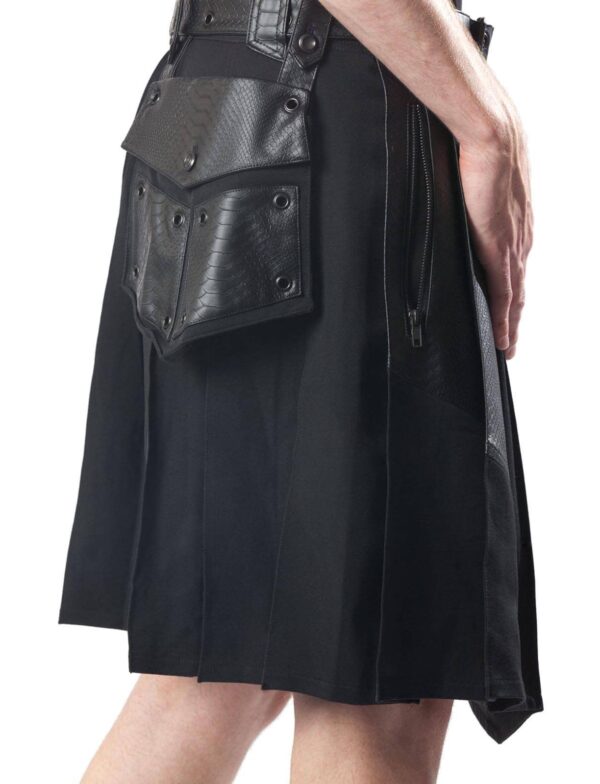
We work in four fabrics for gothic kilts. Black leather — full-grain or split hide — is the strongest visual statement and the most durable, developing patina over years of wear. Black denim is lighter and more everyday, right for gothic streetwear and daily rotation. PVC is high-shine and club-forward, cut looser than leather because the material has less give. Heavy cotton drill is the workhorse fabric — matte black, breathable, structured, and the base for most tartan-hybrid gothic kilts.
Hardware is where a gothic kilt earns its category. All our hardware — D-rings, buckles, chains, grommets — is solid metal rather than plated, in your choice of brass, matte black, or chrome. Chains are riveted at attachment points, not stitched. Belt loops and strap anchors are reinforced with box-stitched bar tacks. Every gothic kilt is inspected against the measurements you sent us before it ships.
The styles of gothic kilt we make
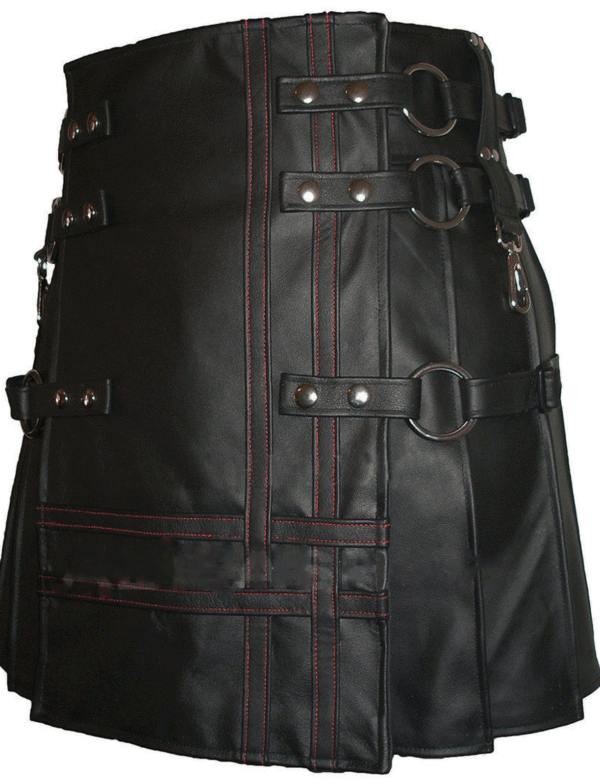
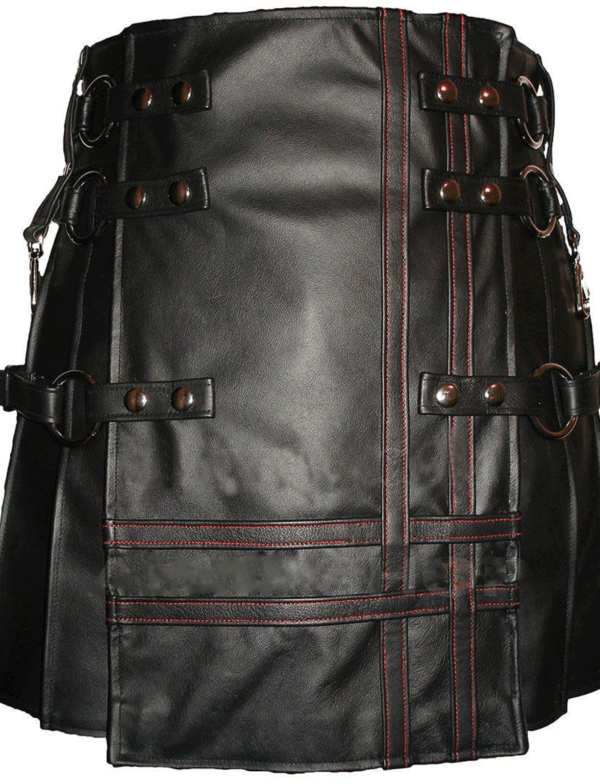
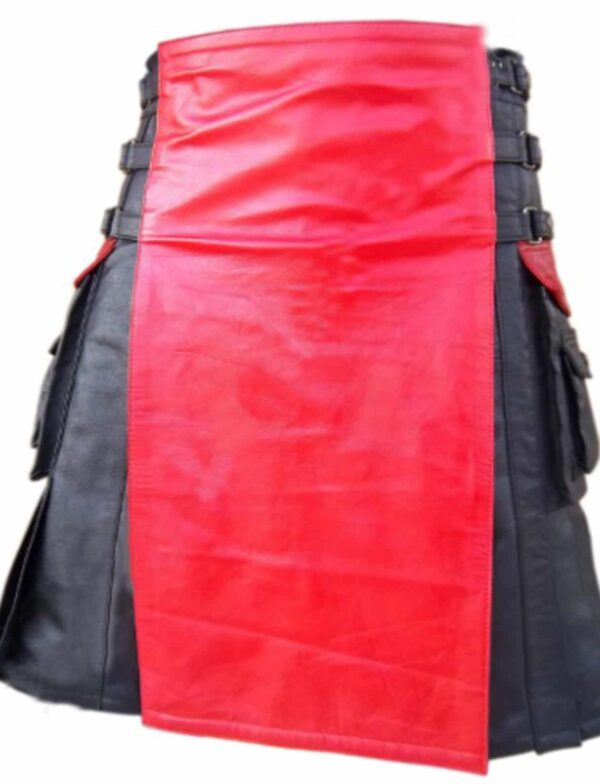
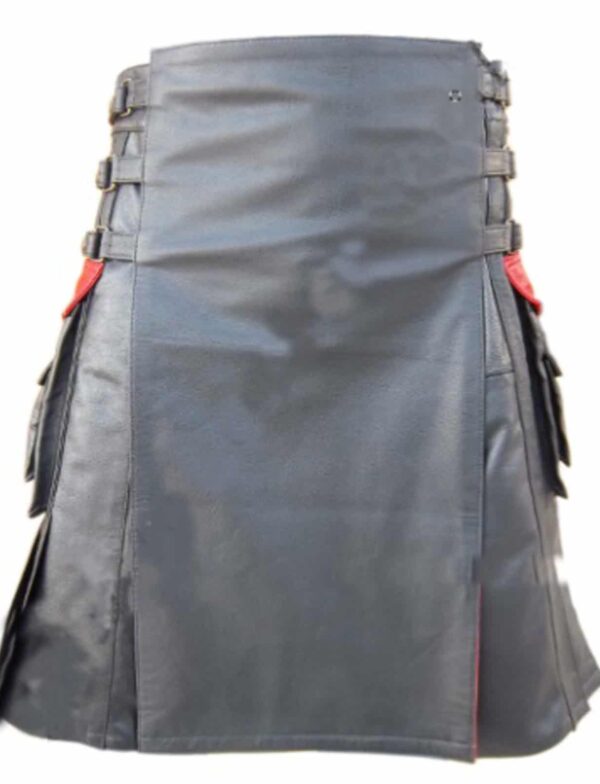
Classic gothic leather kilt. Black leather, minimal chain detailing, one or two side buckles, layered straps at the front. Reads as gothic without going full stage costume. Right for daily wear, alternative styling, and men who want the silhouette to do most of the talking.
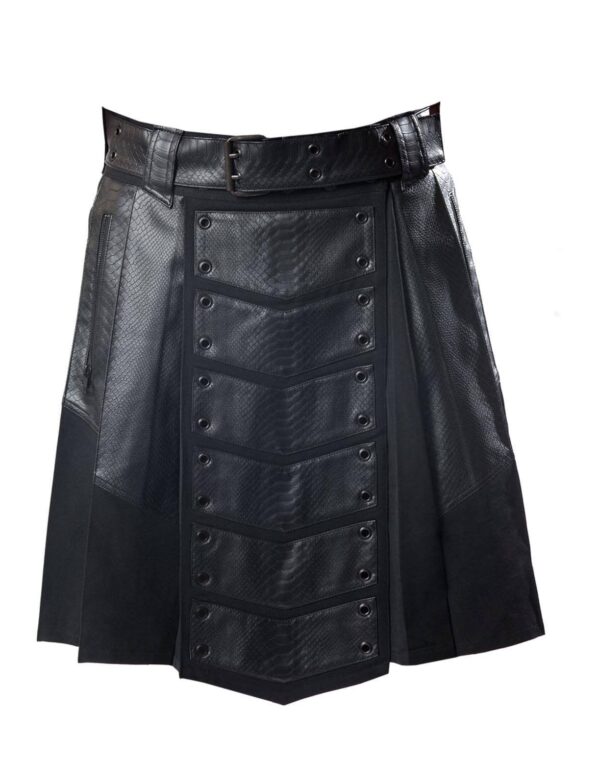
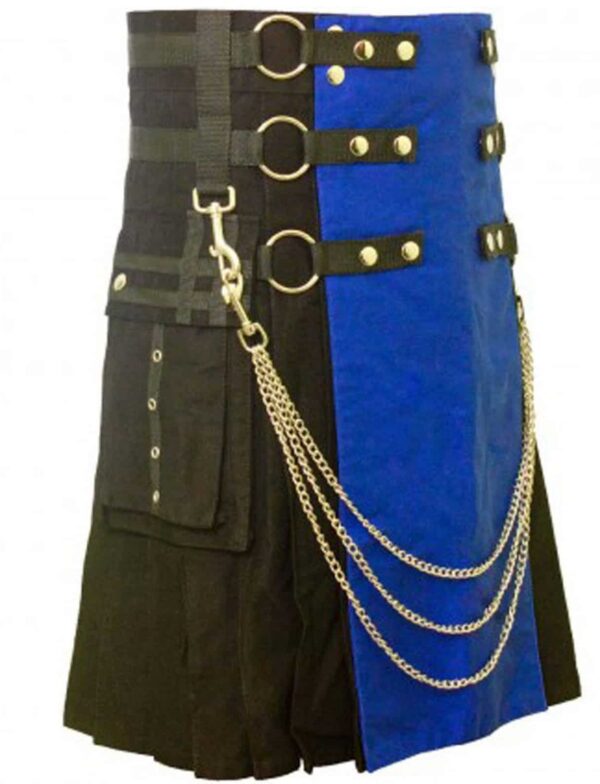
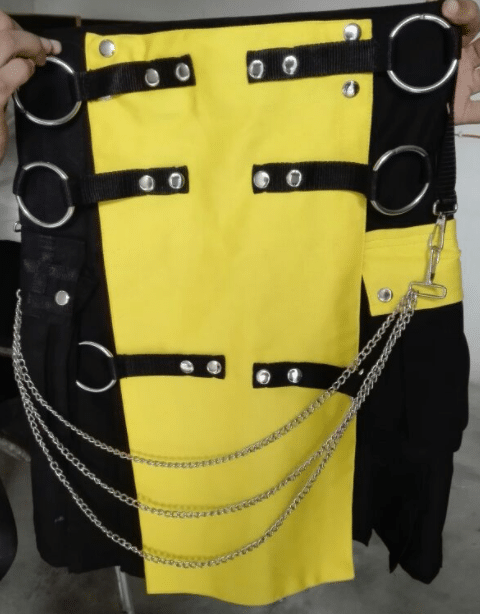
Chain-and-strap gothic kilt. Heavier hardware — multiple D-rings, cross-body chains, layered strap panels across the apron. Right for gigs, club nights, industrial and rivethead scenes, and any context where the kilt is meant to be the statement piece of the outfit.
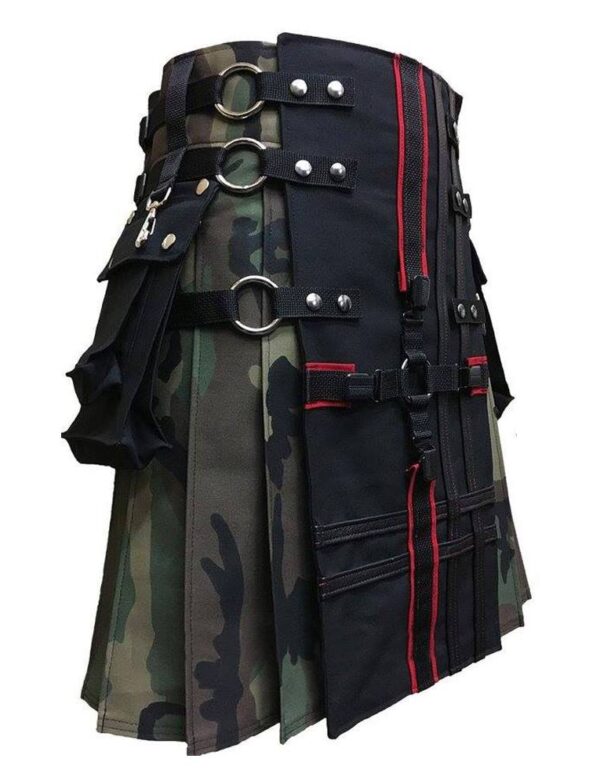
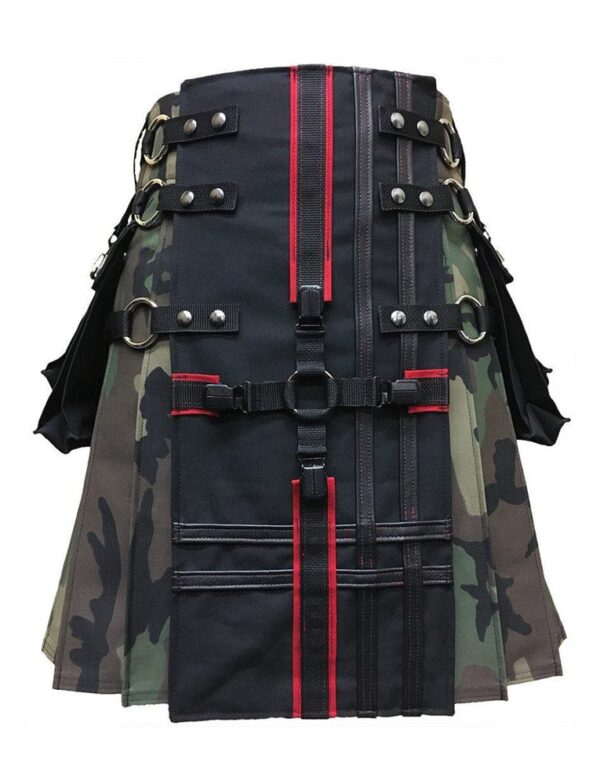
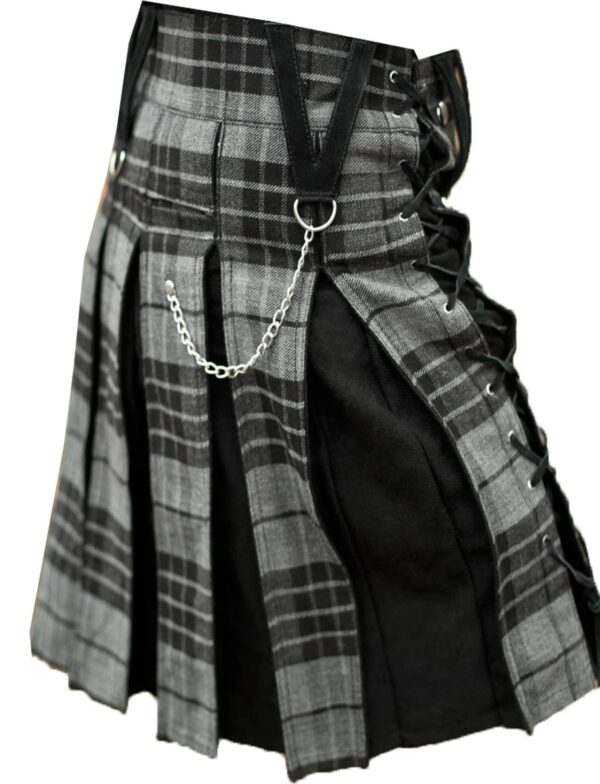
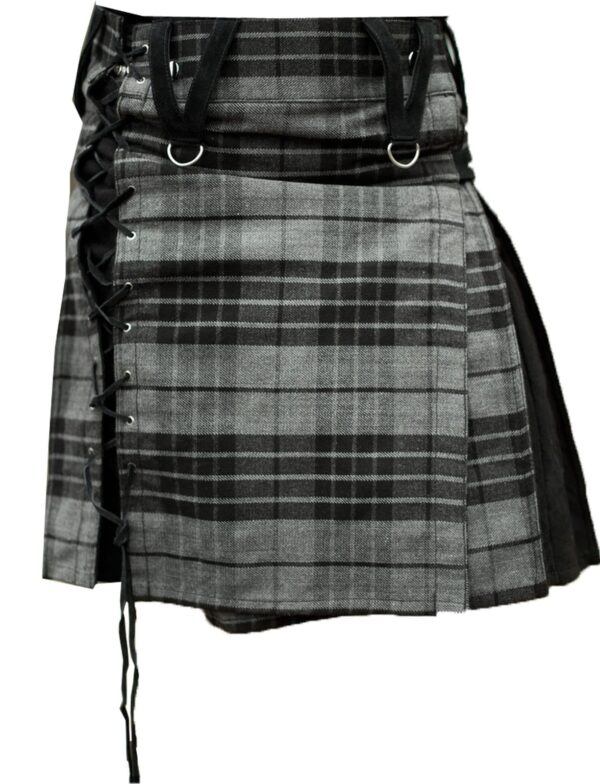
Gothic tartan hybrid. A dark tartan apron (Black Watch, Ramsay Black, or a plain black-and-grey sett) combined with leather or black cotton panels, gothic hardware, and chains. Right for men who want to signal both traditional Highland roots and alternative subcultural identity — increasingly popular for alternative weddings and gothic-Scottish crossover events.
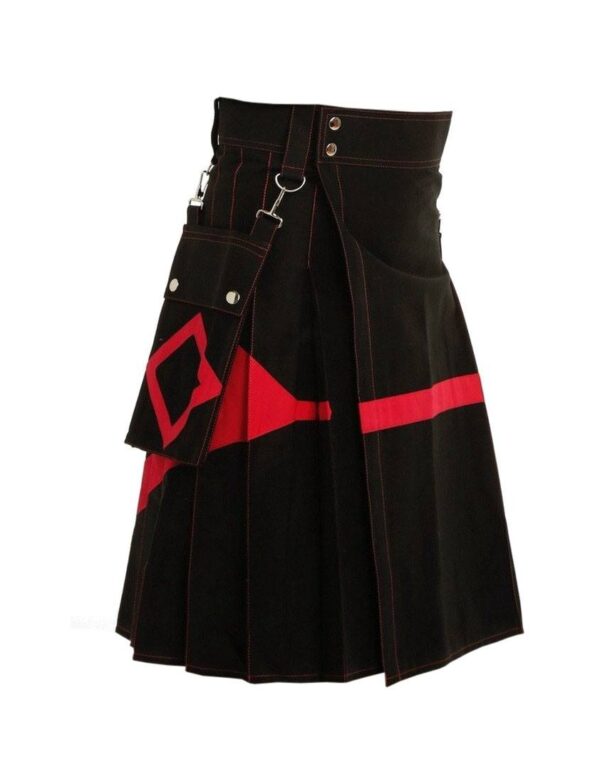
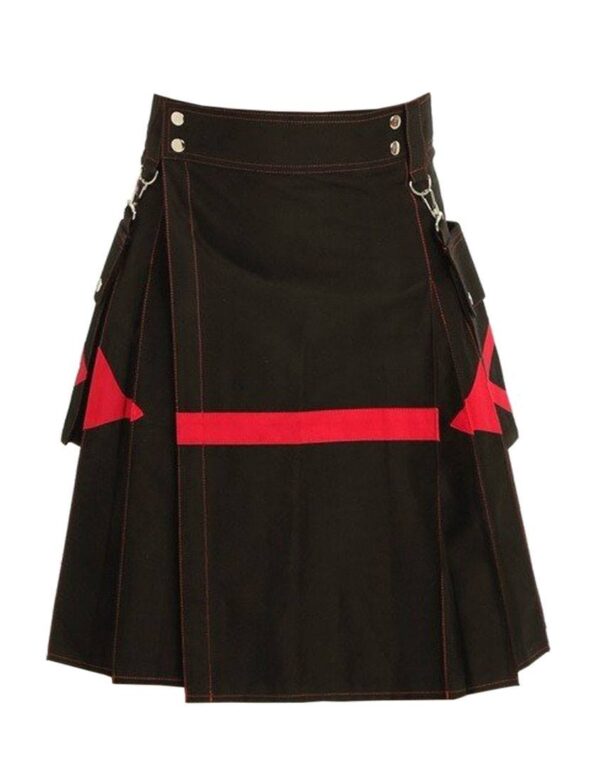
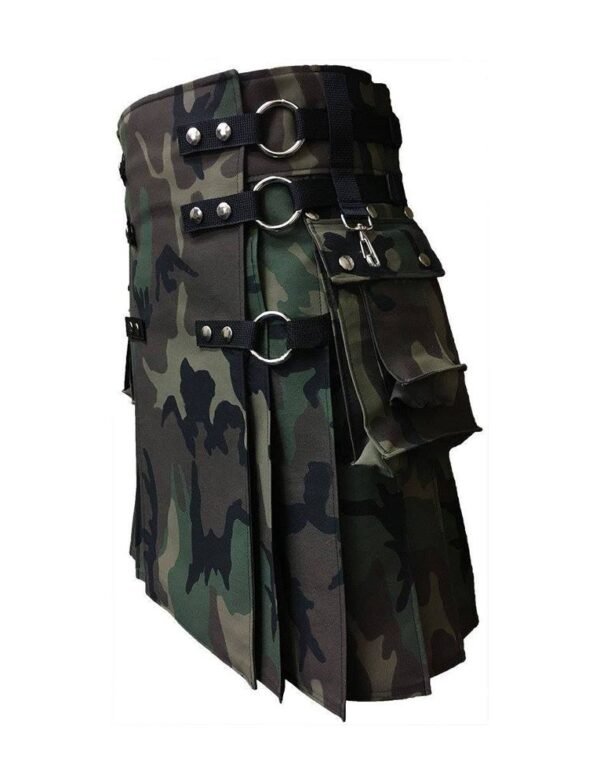
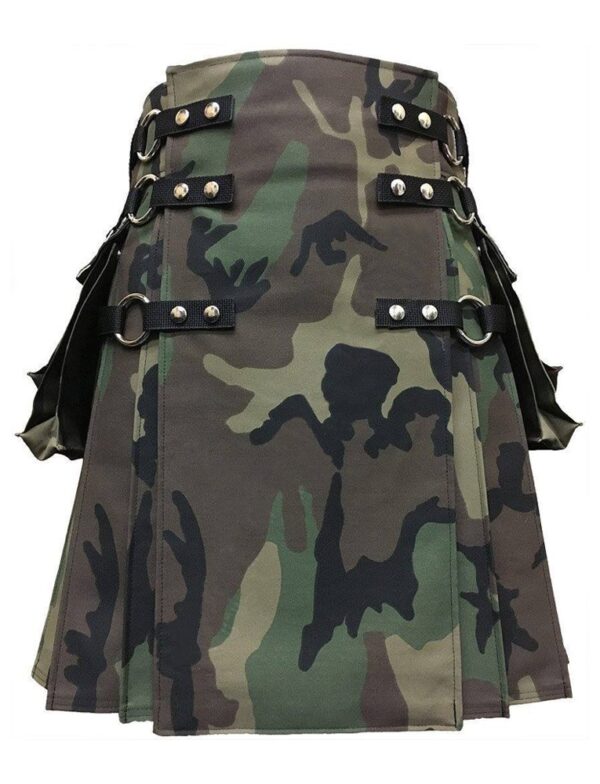
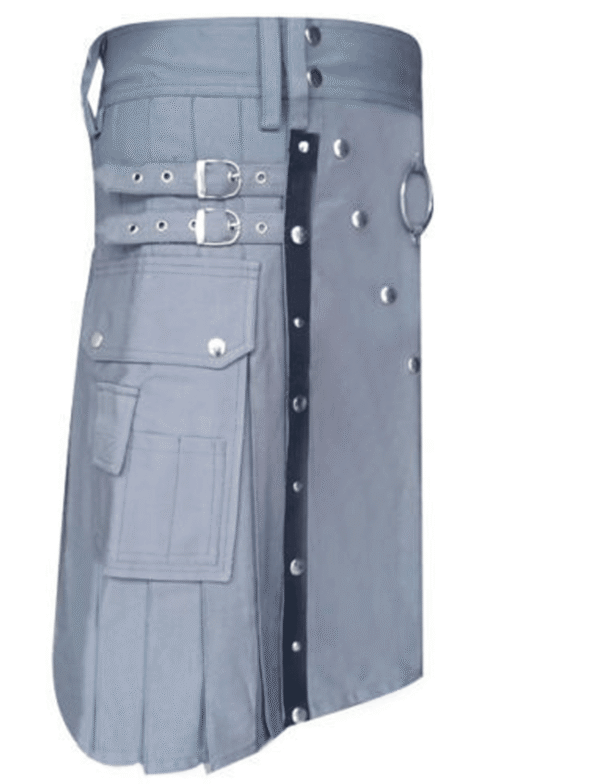
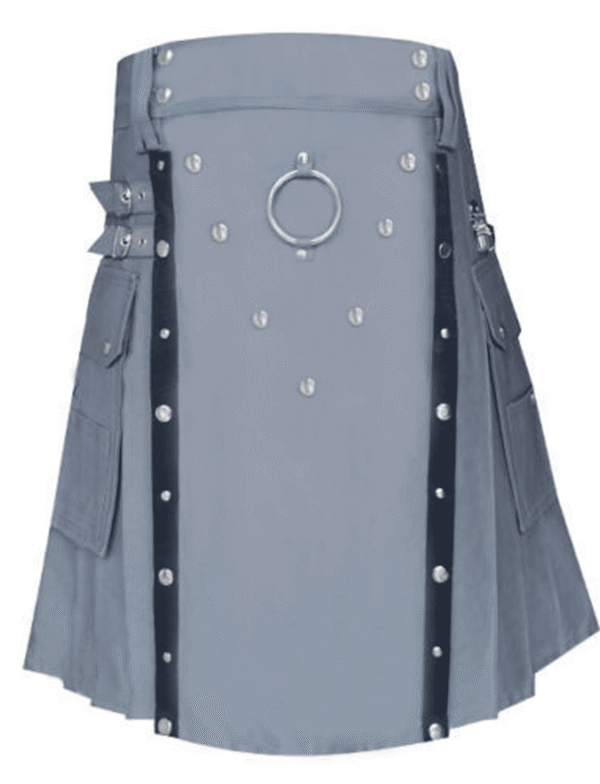
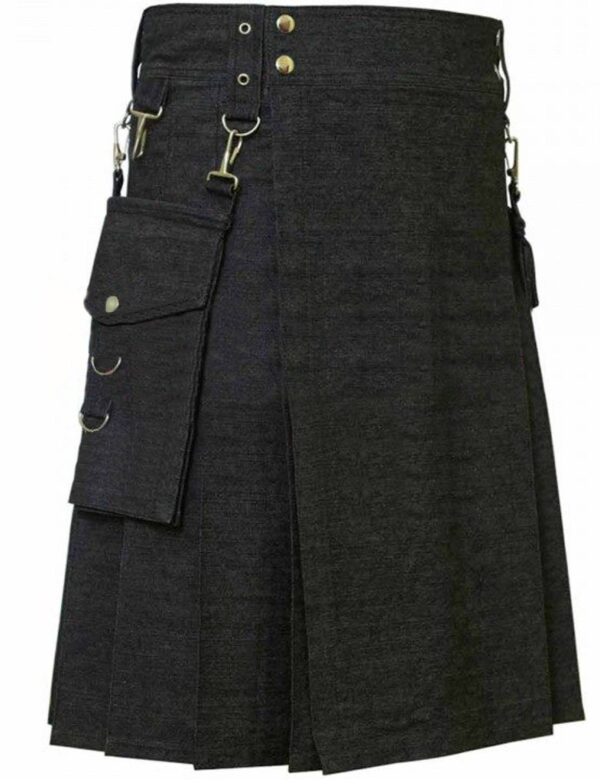
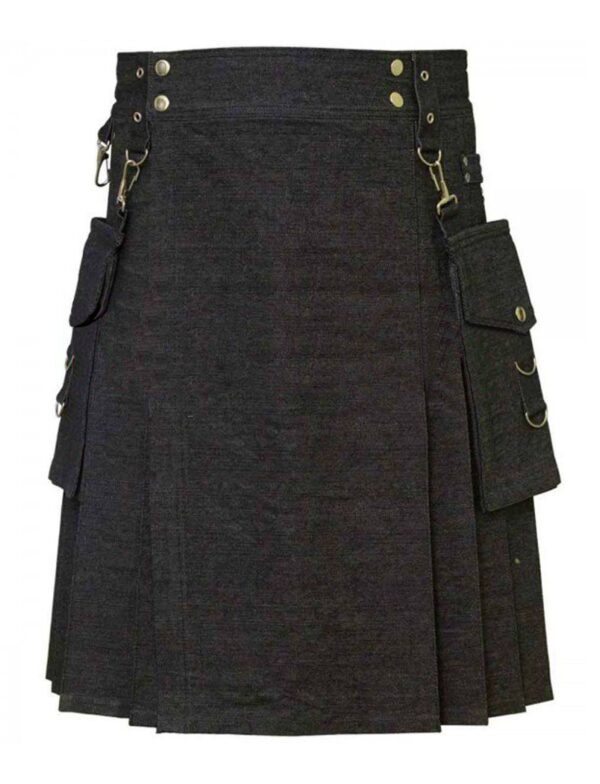
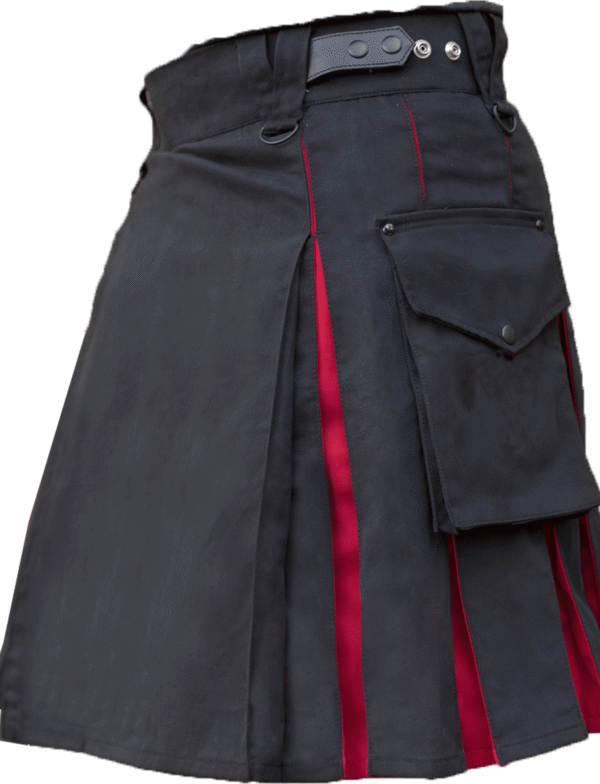
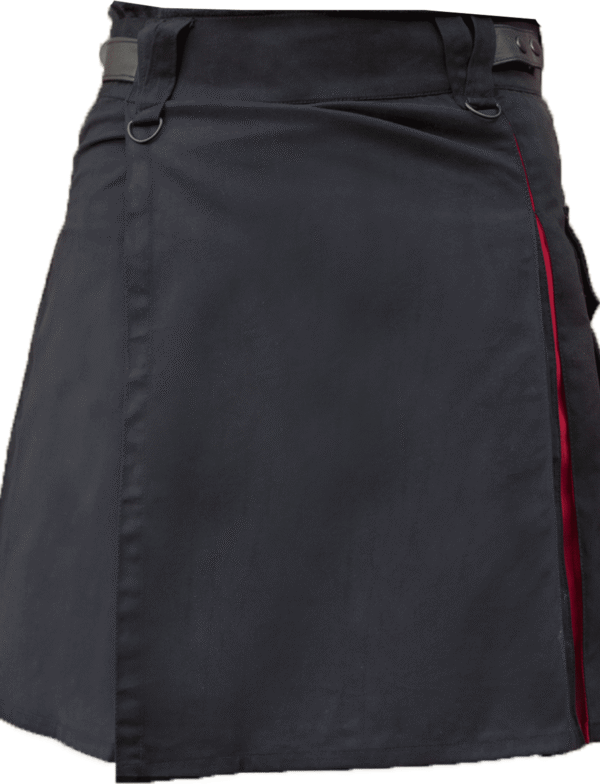
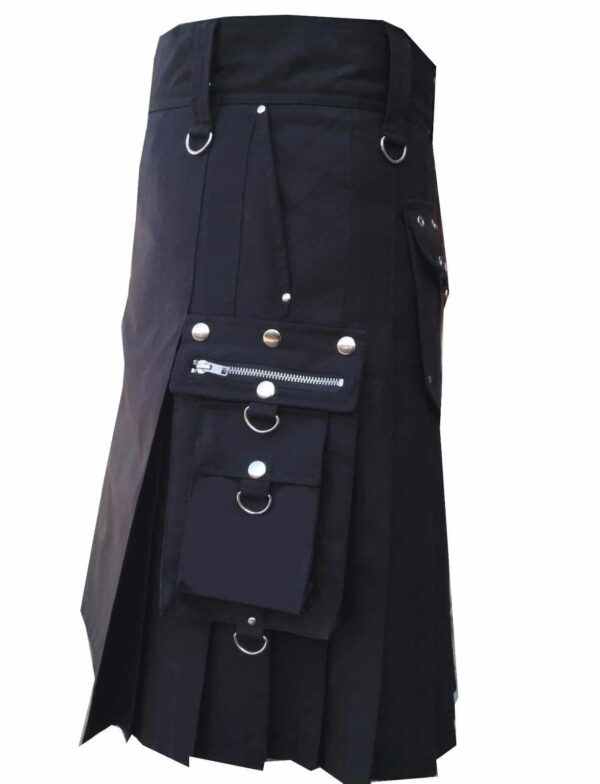
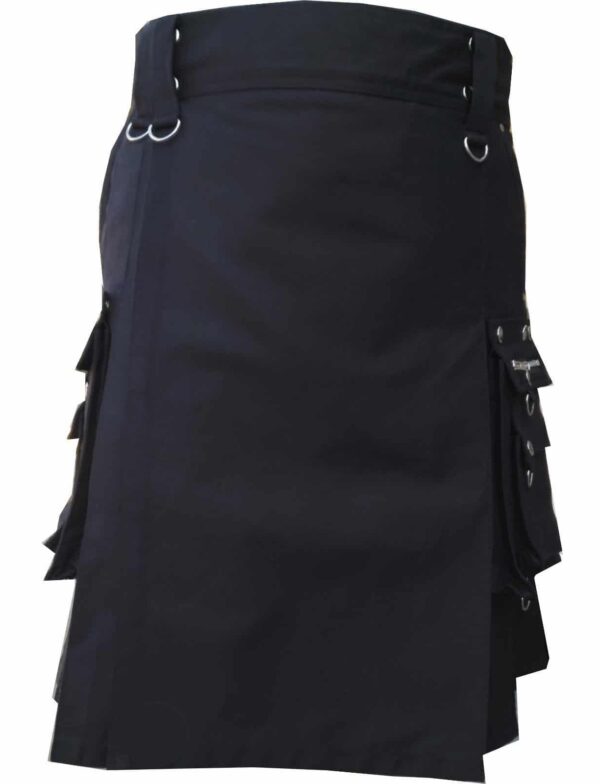
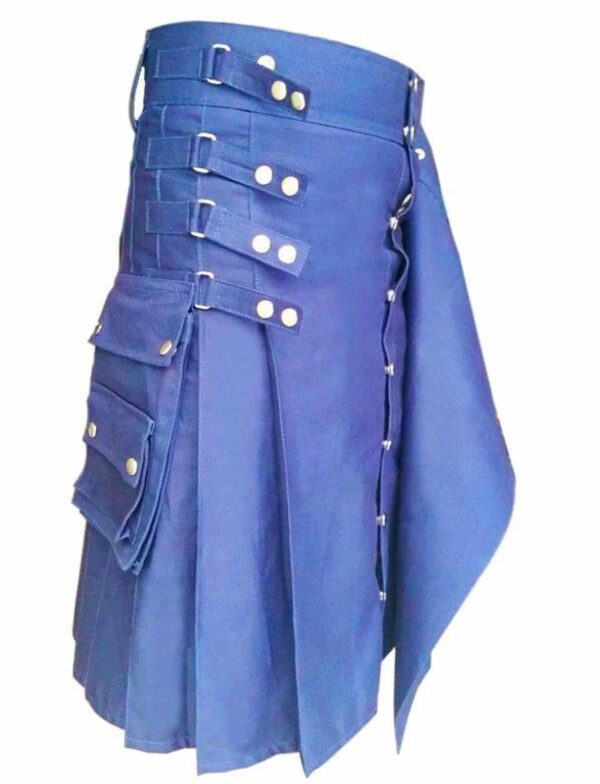
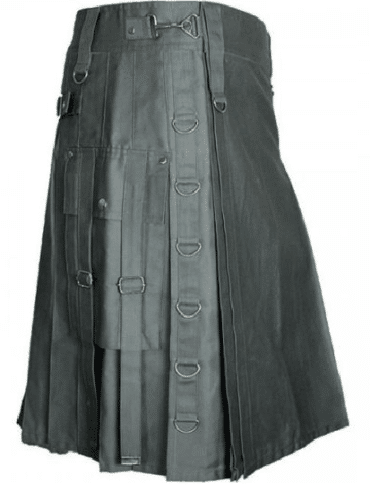
Gothic utility kilt. Heavy black cotton drill with cargo pockets, D-rings, and functional straps. The most everyday-wearable style. Right for daily wear, festivals, and outdoor use where you want the gothic aesthetic with genuine pocket function.
Not sure which fits your use case? Message us with the occasion — we'd rather trade three emails now than remake a kilt in six weeks.
Choosing your gothic kilt
Choose by context first, fabric second, hardware third. If it's for stage, club, or scene wear, chain-and-strap or classic leather — the visual language matters more than the practicality. If it's for daily wear, gothic utility or hybrid — you'll want pockets and washability. If it's for an alternative wedding or crossover Scottish-gothic event, tartan hybrid earns its place. Leather ages best and lasts longest; denim and cotton drill are cheaper entries and easier to replace as your style evolves.
Every gothic kilt ships in ten working days, is cut and stitched by hand at our workshop, and is guaranteed to fit the measurements you sent us. If it doesn't, we remake it. See our returns policy for full terms. Gothic is one of several styles of men's kilts we make — see also leather, utility, and hybrid styles.
Solid hardwareBrass, matte black,
or chrome
or chrome
10 daysCut, stitched,
shipped
shipped
Four fabricsLeather, denim,
PVC, or drill
PVC, or drill
Free remakeIf the fit isn't
perfect
perfect
Frequently asked
Questions before ordering
What is a gothic kilt?
A gothic kilt is a kilt built in the visual language of gothic, punk, and industrial subcultures rather than traditional Scottish Highland dress. It keeps the wraparound silhouette of the classic kilt — belt-fastened at the waist, hem falling to the middle of the kneecap — but replaces tartan wool with darker, heavier fabrics (black leather, PVC, black denim, or heavy cotton drill) and adds hardware not found on traditional kilts: D-rings, chains, exposed buckles, layered straps, grommets, and sometimes studs or spikes. Gothic kilts have no historical basis in Scottish tradition. They emerged through the goth, metal, and industrial scenes of the 1980s and 1990s and are worn today for gigs, clubs, festivals, alternative weddings, and everyday alternative styling.
What's the difference between a gothic kilt and a leather kilt?
Every gothic kilt is an alternative-style kilt, but not every leather kilt is gothic. A leather kilt is defined by its fabric — full-grain or split hide — and can be plain, utility-style, or gothic. A gothic kilt is defined by its visual language: dark fabrics plus hardware (D-rings, chains, layered straps). A plain black leather kilt with a single belt buckle is a leather kilt but not necessarily gothic; a black denim kilt covered in chains and D-rings is gothic but not leather. The categories overlap most when it comes to chain-and-strap leather kilts, which sit in both. If you want the strongest gothic statement, choose a chain-and-strap or hybrid style. If you want leather for its own sake, see our leather kilts for the full range.
Where can you wear a gothic kilt?
Gothic kilts are at home at metal, industrial, punk, and goth gigs; alternative club nights and rivethead events; festivals with an alternative or fantasy lean (Wave-Gotik-Treffen, Whitby Goth Weekend, M'era Luna, Amphi); LARP and Renaissance fair contexts, particularly for barbarian, warrior, or post-apocalyptic characters; alternative and gothic weddings; and everyday alternative streetwear. Where they're not the right choice is traditional Highland dress — weddings under a Scottish or Celtic dress code, Burns Night dinners, and clan gatherings all call for a tartan kilt with proper Highland accessories. If you're buying for one of those, see our Scottish tartan kilts instead.
How do you style a gothic kilt?
The standard build is boots, tee, and layered outerwear. For hard gothic — black band tee or fitted long-sleeve, heavy boots (Doc Martens, New Rock, combat, Rangers), a leather biker jacket or long trench, and minimal jewellery so the kilt hardware reads. For industrial and rivethead — utility tee, tactical or platform boots, and hardware-heavy accessories (arm straps, chains, harnesses). For gothic streetwear — plain black tee or hoodie, chunky sneakers or boots, and a lightweight jacket, letting the kilt be the whole statement. Fishnet or plain black tights underneath are standard for cooler weather and are typical in gothic contexts regardless of gender. Avoid pairing gothic kilts with traditional Highland accessories (sporran, sgian dubh, ghillie brogues) — the two visual languages fight each other.
How do you care for a gothic kilt?
Care depends on the fabric. Leather — never machine wash; spot-clean with a damp cloth and mild leather soap, condition every three to six months with a neutral leather conditioner, store on a wide hanger away from direct sunlight. Denim — machine wash cold on a gentle cycle, air dry to preserve the pleats and any hardware. PVC — wipe clean with a damp cloth and mild soap; do not machine wash or expose to heat. Cotton drill — machine wash cold on a gentle cycle, air dry, iron on medium heat if needed. Across all fabrics, check hardware annually and tighten any loose D-ring or buckle screws before they work themselves loose. Chains can be lightly oiled if they start to squeak.